Al Batt: Red Owl grocery store not named after a real, cardinal-colored owl

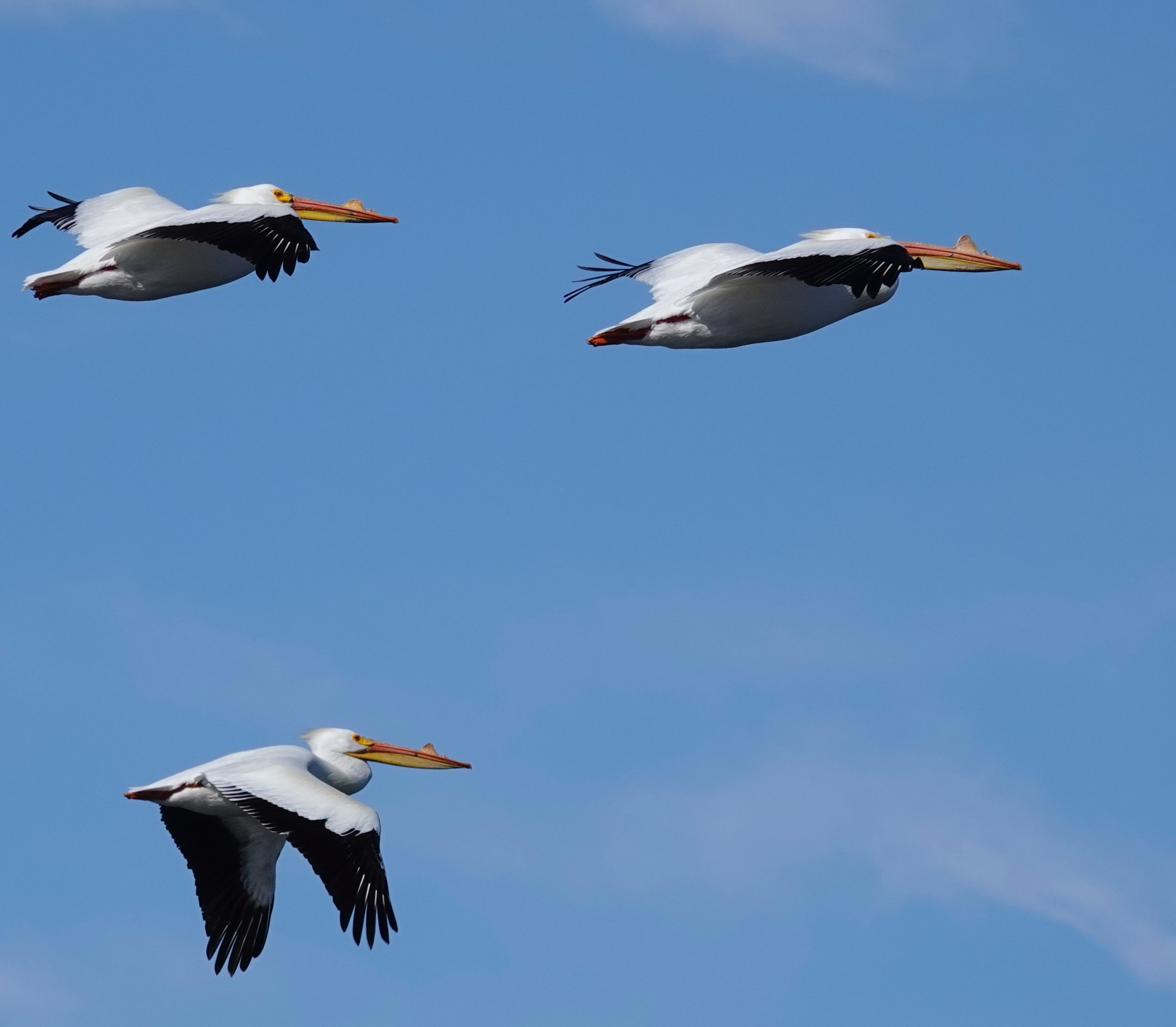
An American white pelican mature enough to reproduce develops a nuptial tubercle, a fibrous plate on the upper mandible. The tubercle falls off when mating season is over. Al Batt/Albert Lea Tribune

Al Batt of Hartland. Email him at SnoEowl@aol.com.

My neighbor Crandall stops by.

“How are you doing?” I ask.

“Everything is nearly copacetic. My birthday has passed. I feel

like a teenager with too many miles on him. I’ve found it helps if I lower my standards each day. I need to take off some winter weight. It takes me two trips to the bathroom scale to weigh myself. I tried a gym membership, but one day I put my sweatpants on backwards and walked away from that. I’m on a new diet. I eat whatever I want and hope for the best. I have a physical fitness regime that I adhere to. I walk from wherever I’ve parked my car.”

Naturally

“Is the spring coming?” he said.

“What is it like?”

“It is the sun shining on the rain and the rain falling on the sunshine.”

I love those words written by Frances Hodgson Burnett.

I filled a bird feeder and invited my executive platinum plus members to feed. A cardinal bit off the end of its song. Was it due to a predator, a competitor or had it forgotten the tune? I didn’t know, but I was oddly concerned. I watched chickadees go about. I could mail up to three of them in an envelope for one Forever stamp, but they wouldn’t like it.

LBJs filled the yard. Little brown jobs. LBBs — little brown birds. Brown colors of excitement. The day before Easter was warm with a south wind. That encouraged travel for many of the migrant birds hanging around the yard before they headed north. Many juncos and other native sparrows cleared out.

Robins are happy to see the worms. Earthworms have no eyes with which to see the robins. They do have receptors that sense light or dark.

I watched a Forster’s tern as it made a U-turn, one that I believe was illegal, and disappeared from my sight. American white pelicans flew so high in a flock they were swallowed by the sky.

Q&A

“Is there a red owl that the store was named after?” Red Owl was a regional grocery store that began in 1922 when it was a coal investment firm for General Mills and headquartered in Hopkins, Minnesota. It once was the premier grocery business in Minnesota. The title sequence of the “Mary Tyler Moore” television show had Mary in a Red Owl meat department. Despite internet claims, there isn’t an owl the color of a cardinal. The Madagascar red owl looks like a barn owl and has an orange-rufous plumage. There is a red morph of our eastern screech owl that is rufous in color.

Cathy Probst of Weslaco, Texas, wondered if it’s normal for a mockingbird to sing at night. Although all adult male northern mockingbirds sing during the day, studies have found it’s typically a bachelor singing at night. The night music is a love song with the sounds of other birds embedded in its melodies. I was staying in a cheap motel in the far south when a mockingbird sang all night just outside my door. A gifted mimic, the bird sounded like everything and anything. He sang on top and around his own singing. I wanted to find where he was napping during the day, sing a couple of Slim Harpo tunes at him and see how he liked it.

“I see what I think are centipedes and millipedes in my basement. Do they really have as many legs as their names would suggest?” These critters do provide a creep factor, saving people the time and money of having to watch creepy horror movies. When you enter the basement, it’s a millipede if it curls up and becomes motionless. A centipede runs away. The centipede you’ve seen probably has about 30 legs and the millipede perhaps 160.

“What is the most numerous bird in the world?” The most common bird in the world is the domestic chicken, most of which originated from the red jungle fowl. The most abundant wild bird is likely the red-billed quelea, sparrow-sized birds found in sub-Saharan Africa, with a breeding population of 1.5 billion.

Good Earth Village Lunch & Learn Invitation

Please join me for a nice meal and my talk on birding from 11 a.m. to 1:30 p.m. May 13 at Good Earth Village in Spring Valley. “This and that. Birds and a Batt. Bird stories told by a birdbrain, naturally. Each bird has a story — what’s yours?” Free will offerings accepted. For information or to RSVP, go to www.GoodEarthVillage.org/LunchandLearn.

Thanks for stopping by

“Everything has beauty, but not everyone sees it.” — Confucius

“I encourage people to be nice to their pets. They’ve seen you naked and not laughed. OK, maybe they do laugh, but they have the decency to wait until you leave the room.” — Oliver Christiansen

Do good.
FullSizeRender.jpg

An American white pelican mature enough to reproduce develops a nuptial tubercle, a fibrous plate on the upper mandible. The tubercle falls off when mating season is over. Al Batt/Albert Lea Tribune

FullSizeRender.jpg

The shadow knows it’s a singing red-winged blackbird.

Last year’s Baltimore oriole nest hangs high in a tree.

Last year’s Baltimore oriole nest hangs high in a tree.

FullSizeRender.jpg

I was unable to get a decent photo of this sora, which cackled like a witch from a concealed location.
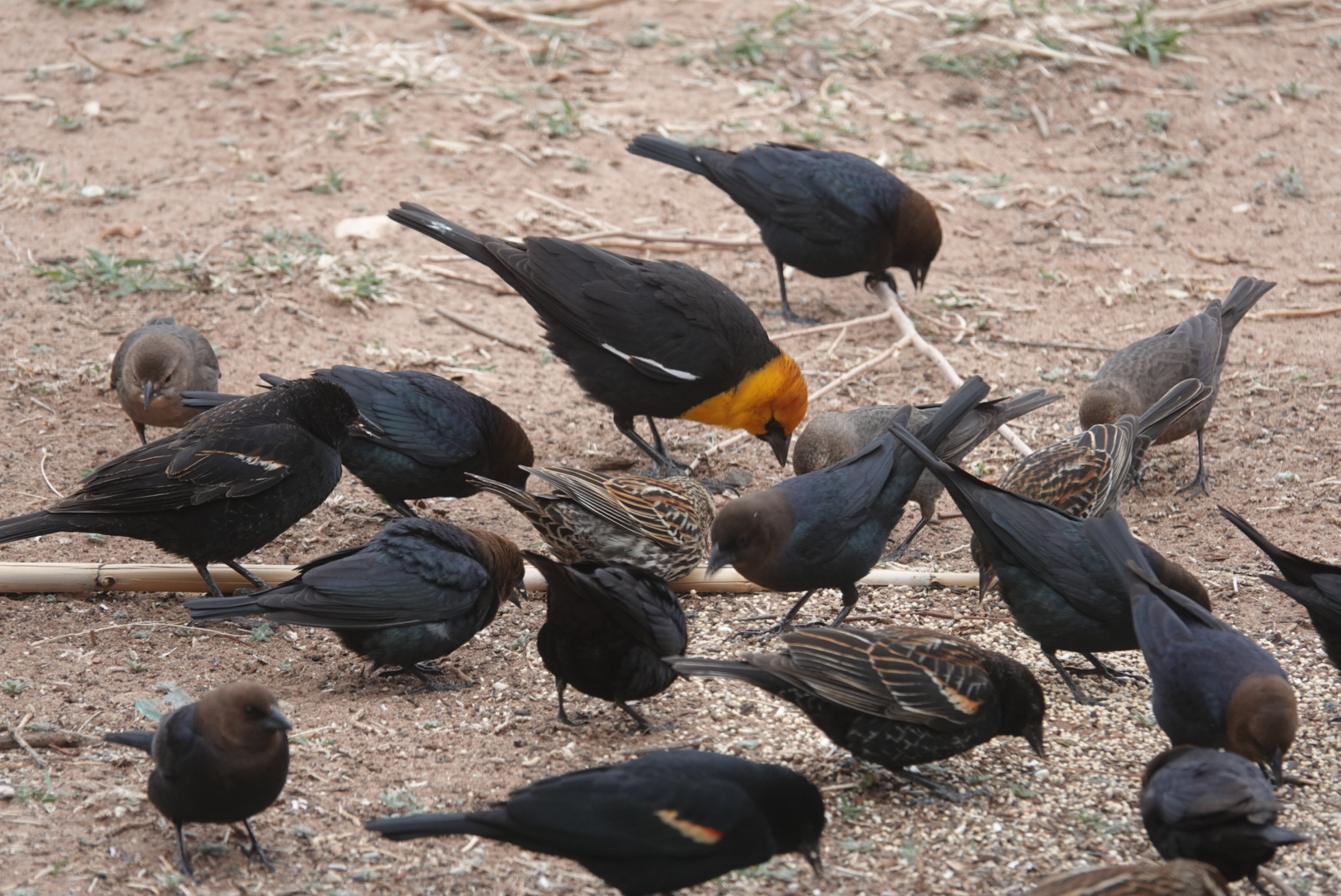
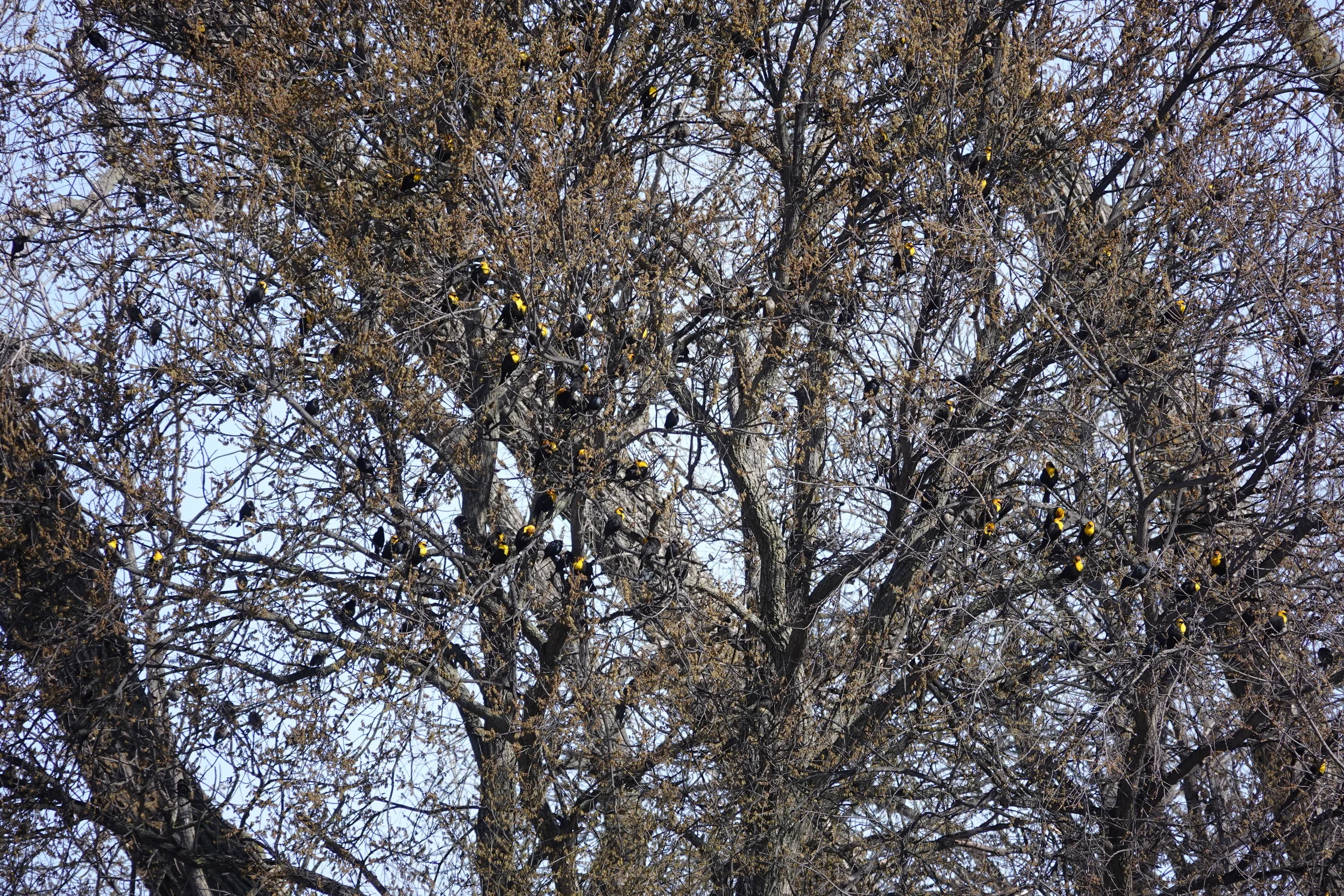
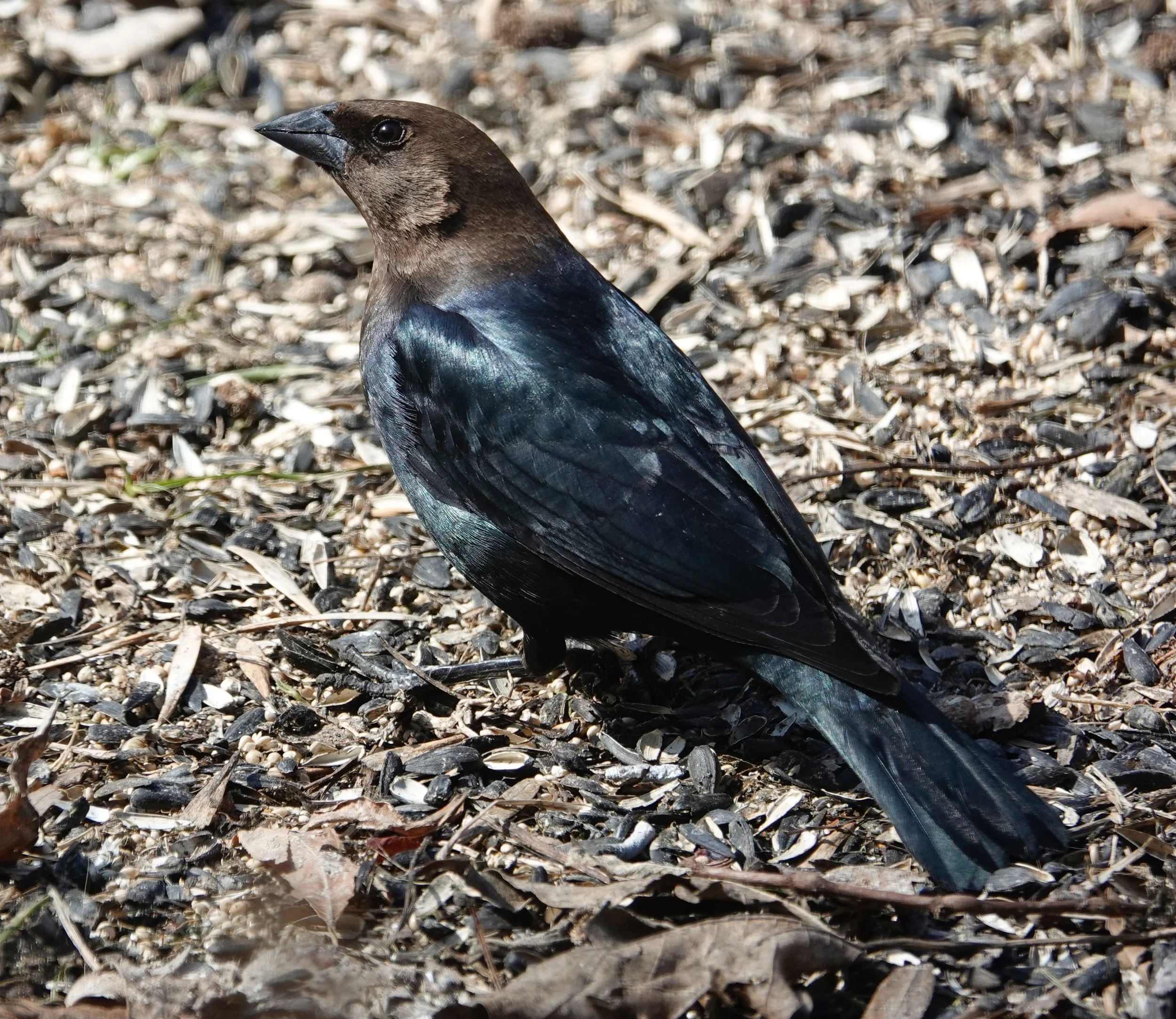
The yellow-headed blackbird stood out from the brown-headed cowbirds and red-winged blackbirds as you’d expect a mustard-head would.

37B486BA-BA68-4041-8D0C-596C030BD8B9.JPG

The yellow-headed blackbird stood out from the brown-headed cowbirds and red-winged blackbirds as you’d expect a mustard-head would.

The lone city in Loup County, Nebraska, is the county seat.

The lone city in Loup County, Nebraska, is the county seat.

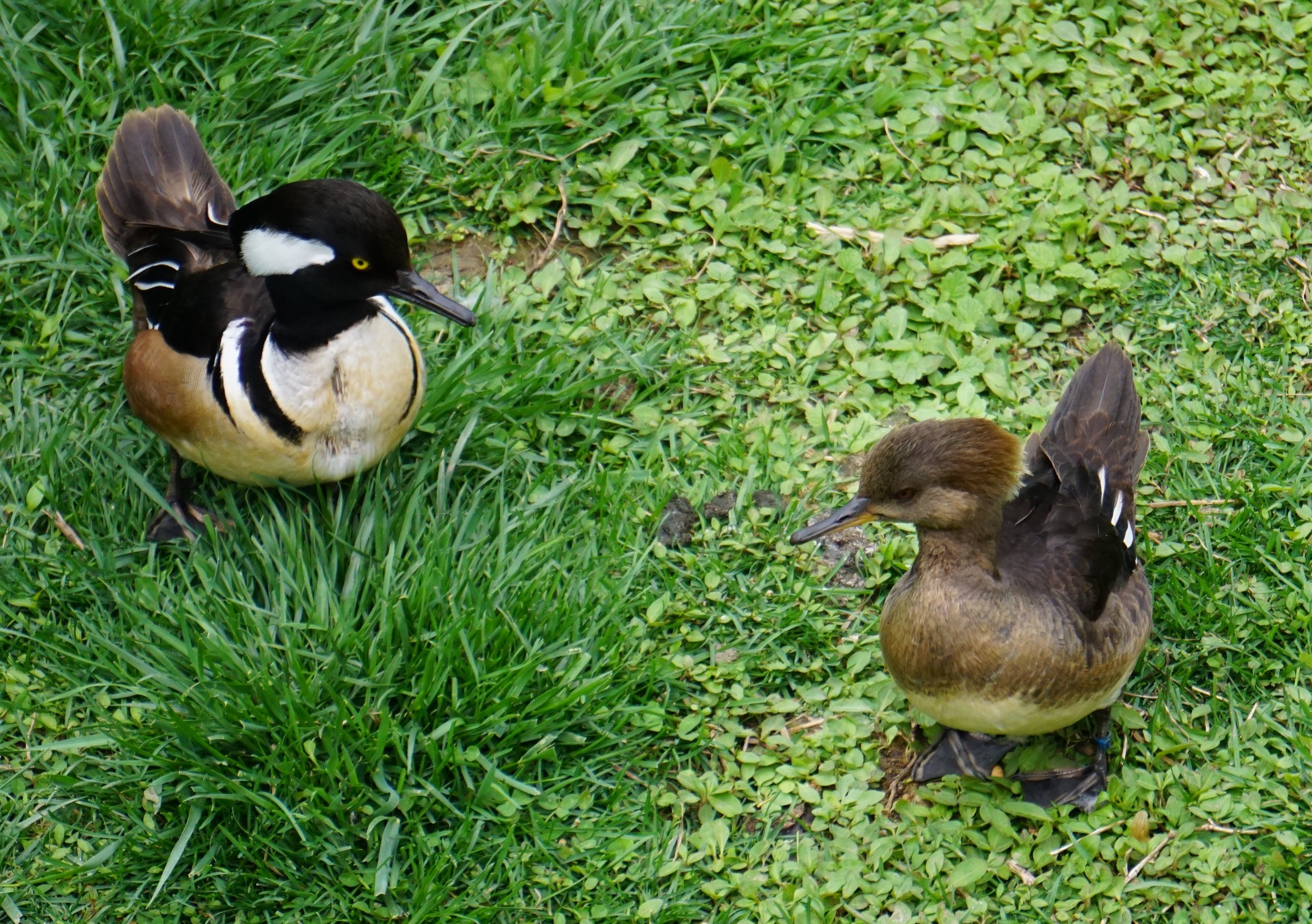
Hooded mergansers are cavity nesters and enjoy a crayfish (crawdad) dinner.

Hooded mergansers are cavity nesters and enjoy a crayfish (crawdad) dinner.

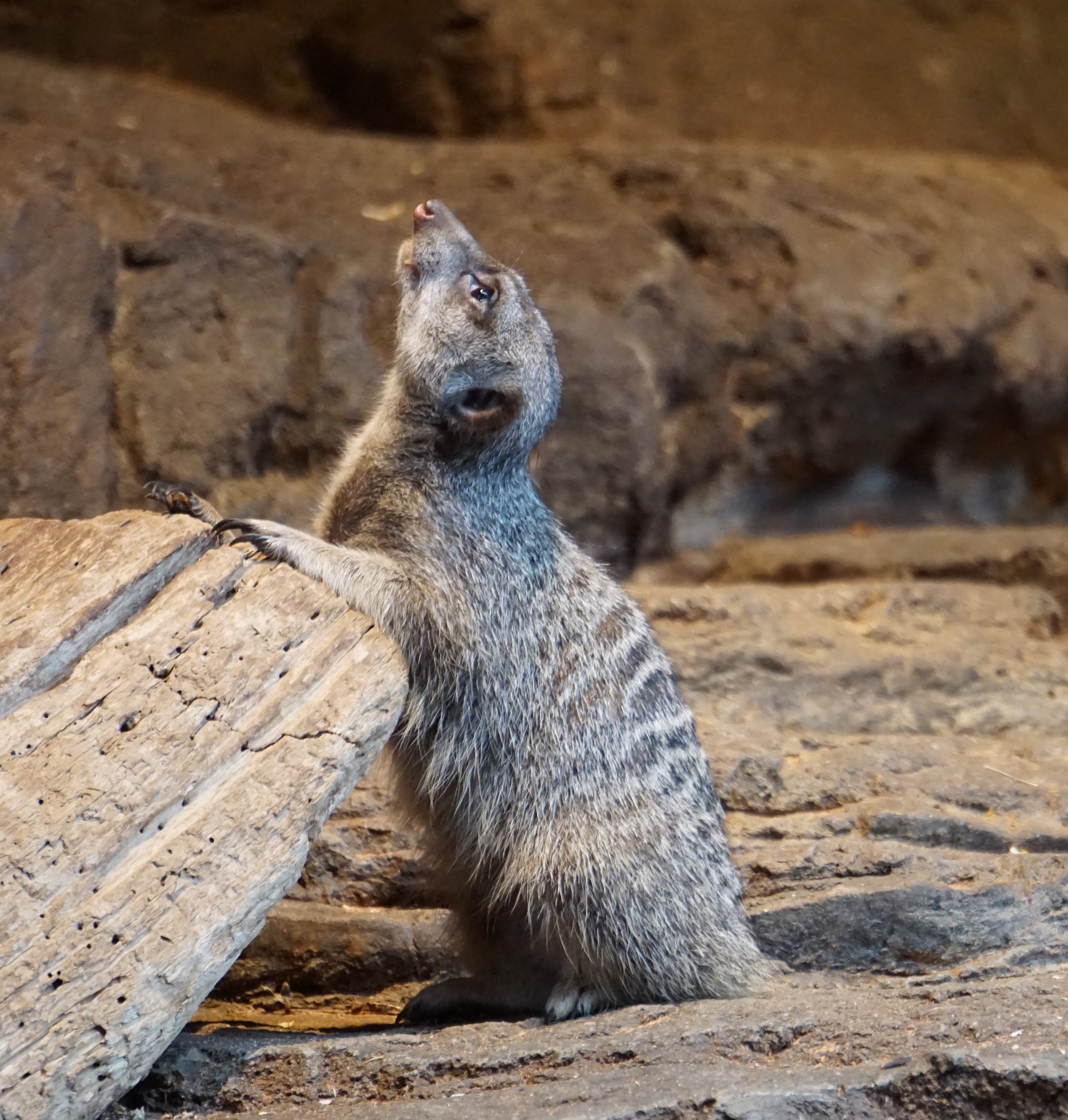
A grateful meerkat.

A grateful meerkat.

Sibley says the cinnamon teal makes a chattering or rattling “gredek, gredek.”

Sibley says the cinnamon teal makes a chattering or rattling “gredek, gredek.”

FullSizeRender.jpg

A noon hour walk in Arizona brought an encounter with a barrel cactus ready to stick me with lunch.

A turkey vulture concluding its horaltic pose, a spread-winged stance.

A turkey vulture concluding its horaltic pose, a spread-winged stance.

Daniel Pink wrote that a person’s day is made up of a peak, a trough and a recovery. This bird is demonstrating a trough.

7A5153E1-F266-42F5-A024-629EF6BC066D.JPG

Daniel Pink wrote that a person’s day is made up of a peak, a trough and a recovery. This bird is demonstrating a trough.

FullSizeRender.jpg

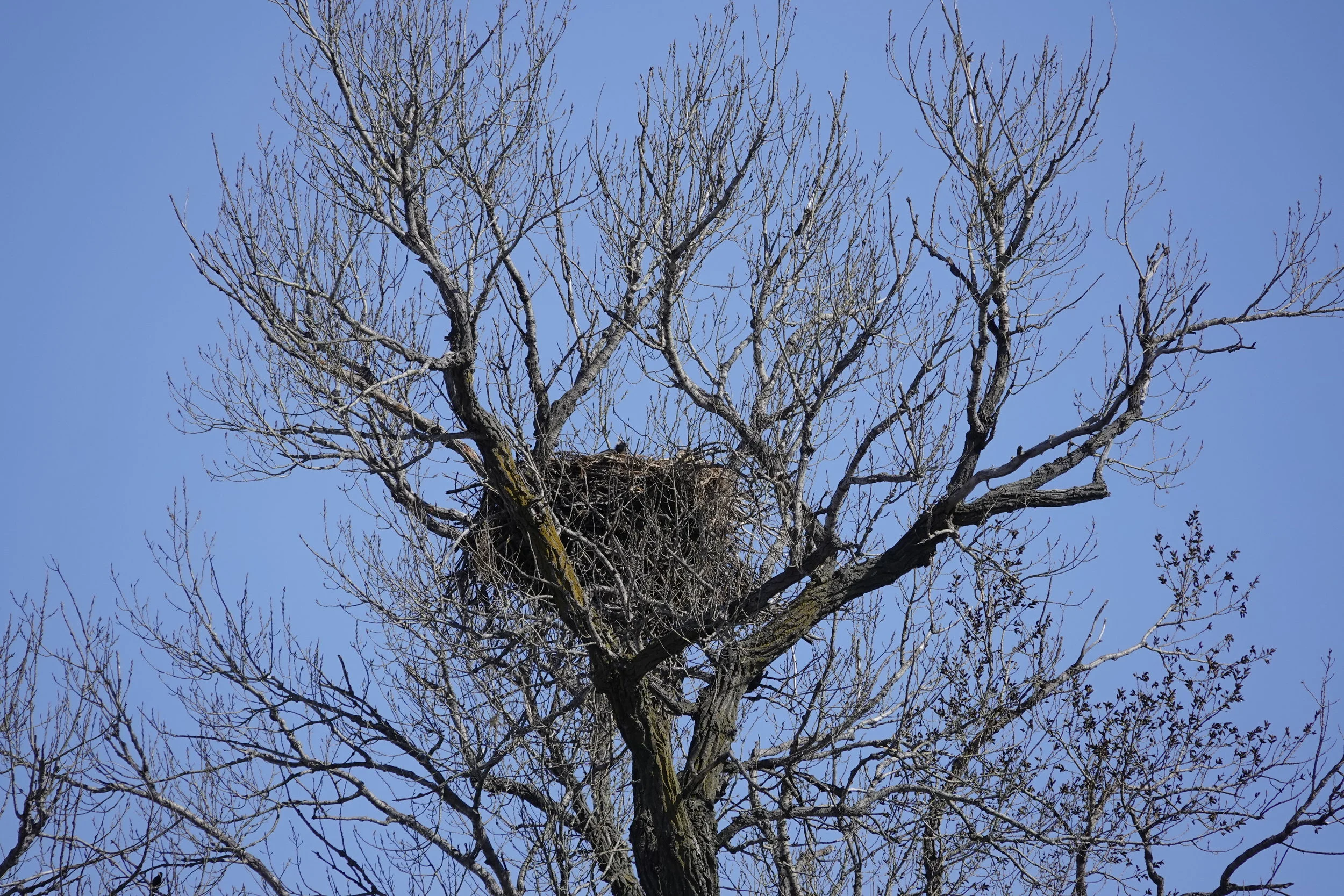
A bald eagle nest with eaglets looms high above the cattle, none of which are purple.Frank Gelett Burgess wrote: “I never saw a purple cow. I never hope to see one. But I can tell you anyhow.I'd rather see than be one.”

FullSizeRender.jpg

The Cornell Lab of Ornithology says brown-headed cowbirds have laid eggs in the nests of more than 220 species of birds.

FullSizeRender.jpg

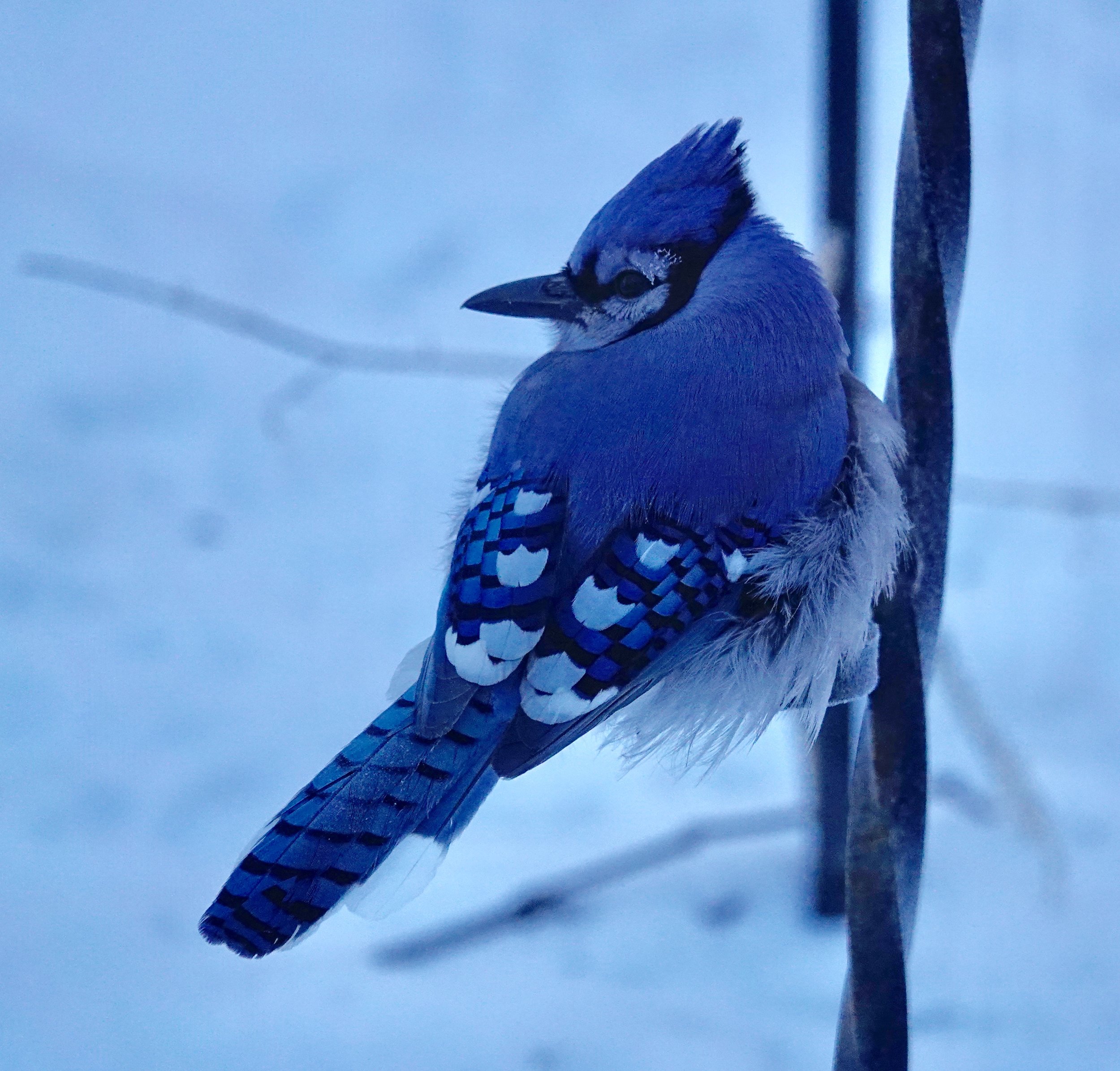
Blue jays are good at weathering storms.

_DSC5967.JPG

An eaglet in a bald eagle nest. They like to nest in the king of the trees.

There are those people who consider muskrat meat a delicacy. I am not one of those people.

FullSizeRender.jpg

There are those people who consider muskrat meat a delicacy. I am not one of those people.

This is what I call old school.Seen near Burwell, Nebraska.

This is what I call old school.

Seen near Burwell, Nebraska.

FullSizeRender.jpg

It’s tiring being a house sparrow. Naps are needed.

The Bonaparte’s gull was named in honor of ornithologist Charles Lucien Bonaparte.

The Bonaparte’s gull was named in honor of ornithologist Charles Lucien Bonaparte.

The Franklin’s gull was named after Sir John Franklin, an Arctic explorer.

The Franklin’s gull was named after Sir John Franklin, an Arctic explorer.

Al Batt: Grackles may be abundant in yard, but show population decline

by Al Batt, albertleatribune.com
April 20, 2019 09:00 AM

Al Batt of Hartland is a member of the Albert Lea Audubon Society. Email him at SnoEowl@aol.com.

My neighbor Crandall stops by.

“How are you doing?” I ask.

“Everything is nearly copacetic. I’m still able to take nourishment. My power was out for a few days and I’d loaned out my generator, so I hunkered down to do some serious reading. Cruella had talked me into reading one of those e-books. It was OK, but I’d have enjoyed it more had they used the other letters of the alphabet, too.”

Naturally

I enjoy watching the spring bird shows. They change each day. Birds become more vocal, each having a story to tell. I love to hear the vesper sparrow sing the evening vespers, “Listen to my evening sing-ing-ing-ing.”

Male pheasants “crow” throughout the day all year, but especially at dawn and dusk in spring. Roosters also utter a series of loud, two-note calls when they are flushed.

I watched blue-winged teal on the water. These skilled flyers are among the last ducks to return in the spring, but leave early in the fall. The drakes defend mates, but not territories. Because of this, their nests are more concentrated than those of other ducks.

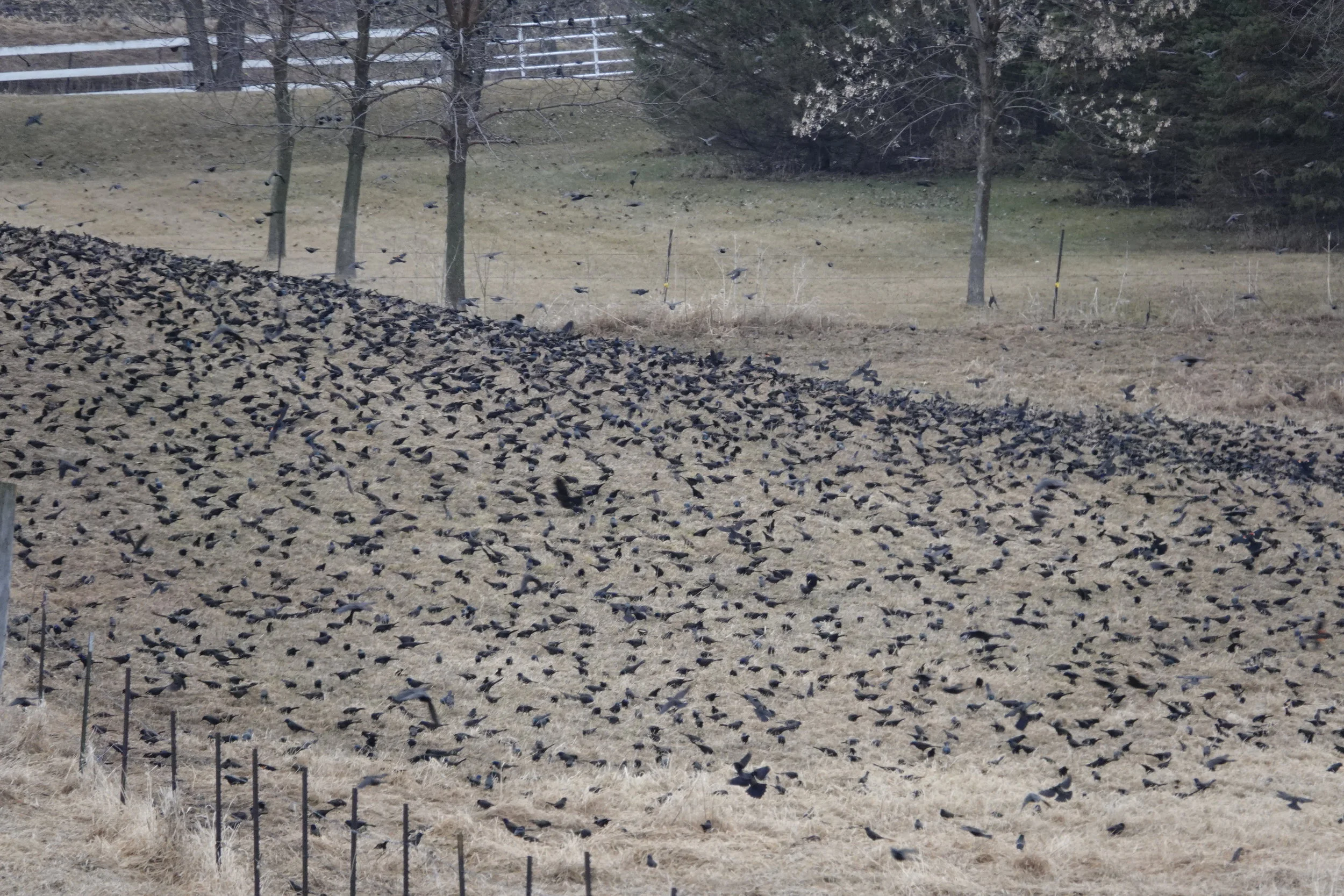
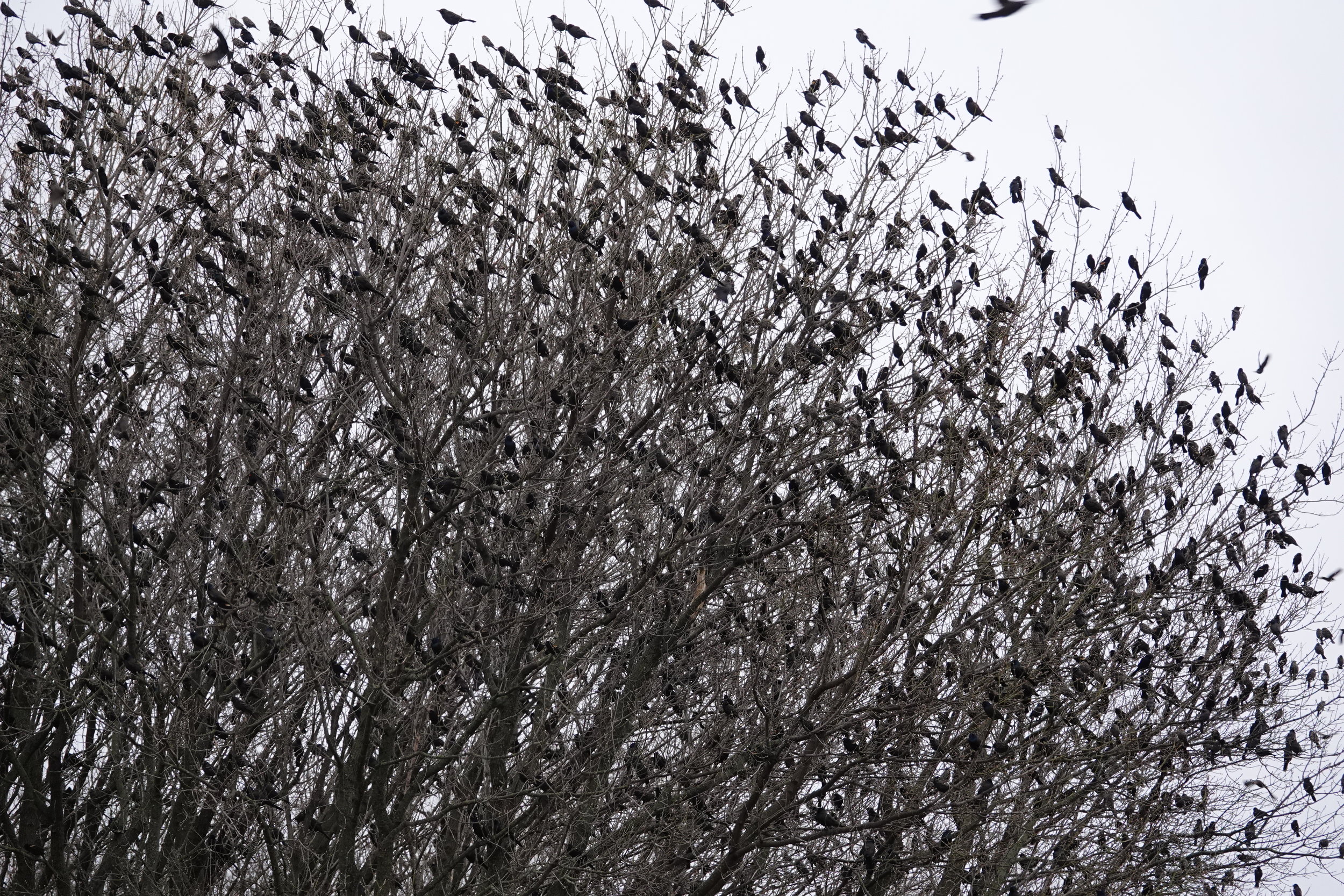
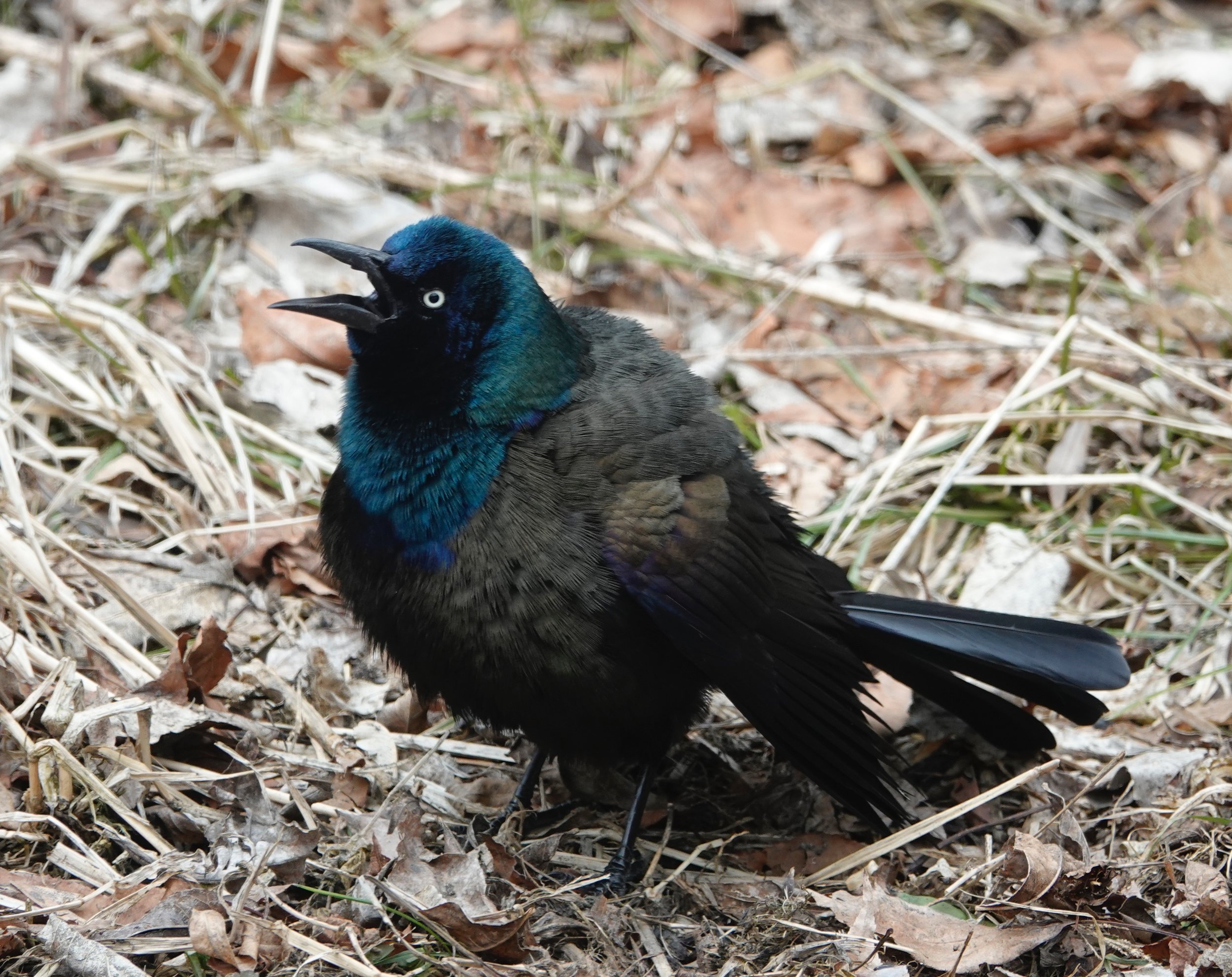
My yard entertained many common grackles. A heap of birds in one lump. They are common and widespread, but the North American Breeding Bird Survey shows a decline in population of 58% from 1966 to 2014. Grackles dab natural insect repellents on their plumage. This includes ants, marigolds, lemon slices, walnut juice and chokecherries.

I spotted a couple of gray partridges in a field. Often called a Hungarian partridge, their North American Breeding Bird Survey populations declined by 60%from 1966 to 2015.

I’d driven by many red-tailed hawks, ever-vigilant and perched on posts, and an old farm place where a wooden corn crib still stood. The slatted walls encouraged the drying of ears of corn. Those gaps made such a crib a giant bird feeder. On the farm I grew up on, red-headed woodpeckers found those corn cribs to their liking.

I saw some rock pigeons. These are the birds that people think of as barn pigeons or the street-smart birds seen in city parks. Pigeons are interesting and smart. Pigeons pass the mirror test. They realize that their mirrored images aren’t real birds. The beginning of Charles Darwin’s “The Origin of Species,” is more about pigeons than anything else. I watched a pair of pigeons kiss. The male grasped the female’s bill and regurgitated food as a courtship gesture. Sweet.

Q&A

“Why should I watch birds?” Asking me that question is like asking the Burger King if you should eat hamburgers. In this chaotic world we live in, I seek order in its feathered form. When the events of the day threaten to tear the beauty from the world, I find pulchritude in birds. Birds are my treehouse. You should watch birds for every reason you can think of.

“Why do birds come in so many colors?” Because of diet, camouflage, mate selection and genetics.

“What is the biggest bat in Minnesota?” It was supposed to be Miguel Sano of the Minnesota Twins, but he comes into each season preinjured. The hoary bat is the largest weighing over an ounce and with a wingspan of up to 16 inches.

“Where do western meadowlarks nest? I love their song.” It’s a bird of the grass. The species is typically found in open landscapes like pastures, hayfields, grasslands, prairies and meadows where there is a mix of short to medium-high grasses. They nest on the ground, often in small dips or hollows, such as those created by cow footprints. Nests are typically under dense vegetation and can be difficult for us to find. The birds have no difficulty in finding them, which is a good thing.

“How far north can wild turkeys be found in Minnesota?” From sightings people have shared with me, I’d say to the Manitoba border and nearly to Ontario.

Thanks for stopping by

“Our goal should be to live life in radical amazement … get up in the morning and look at the world in a way that takes nothing for granted. Everything is phenomenal; everything is incredible; never treat life casually. To be spiritual is to be amazed.” — Abraham Joshua Heschel

“There will always be pigeons in books and museums, but these are effigies and images, dead to all hardships and all delights. Book pigeons cannot dive out of cloud to make the deer run for cover, or clap their wings in thunderous applause of mast-laden woods. Book pigeons cannot breakfast on new mown wheat in Minnesota and dine on blueberries in Canada. They know no urge of seasons, they feel no kiss of sun, no lash of wind and weather. They live forever by not living at all.” — Aldo Leopold, writing of the passenger pigeon in “A Sand County Almanac: On a Monument to the Pigeon”

Do good.

A post vulture.

FullSizeRender.jpg

A post vulture.

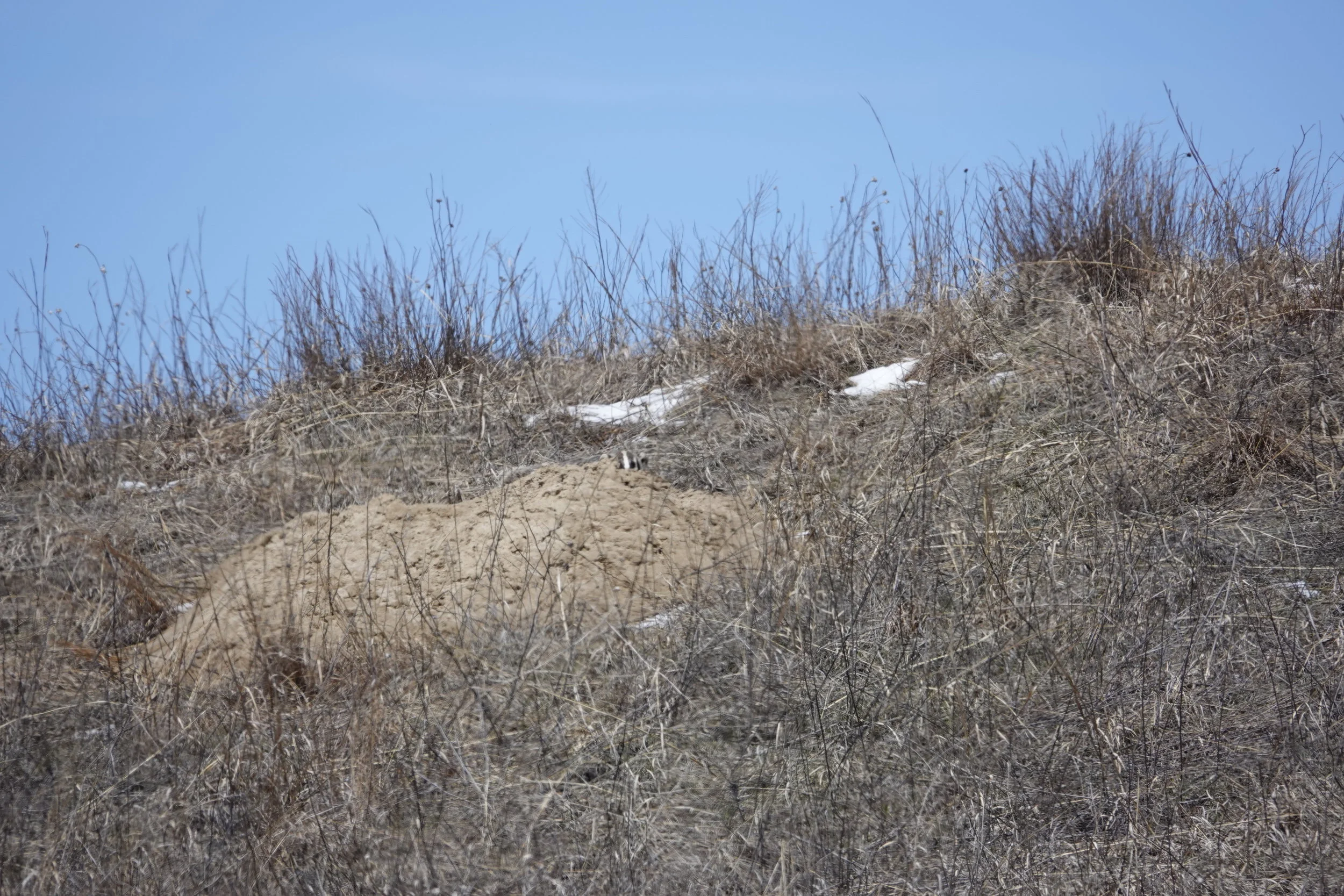
There is a badger spying on me. Can you see it?

There is a badger spying on me. Can you see it?

The blue-winged teal is the second most abundant duck in North America, trailing only the mallard.

The blue-winged teal is the second most abundant duck in North America, trailing only the mallard.

I’ve been told that a group of cinnamon teal is a "seasoning.” If that’s not true, it should be a “spice.”

I’ve been told that a group of cinnamon teal is a "seasoning.” If that’s not true, it should be a “spice.”

I’ve found staring at a cinnamon teal to be helpful.

I’ve found staring at a cinnamon teal to be helpful.

 “Badgers? We need stinking badgers!”

 “Badgers? We need stinking badgers!”

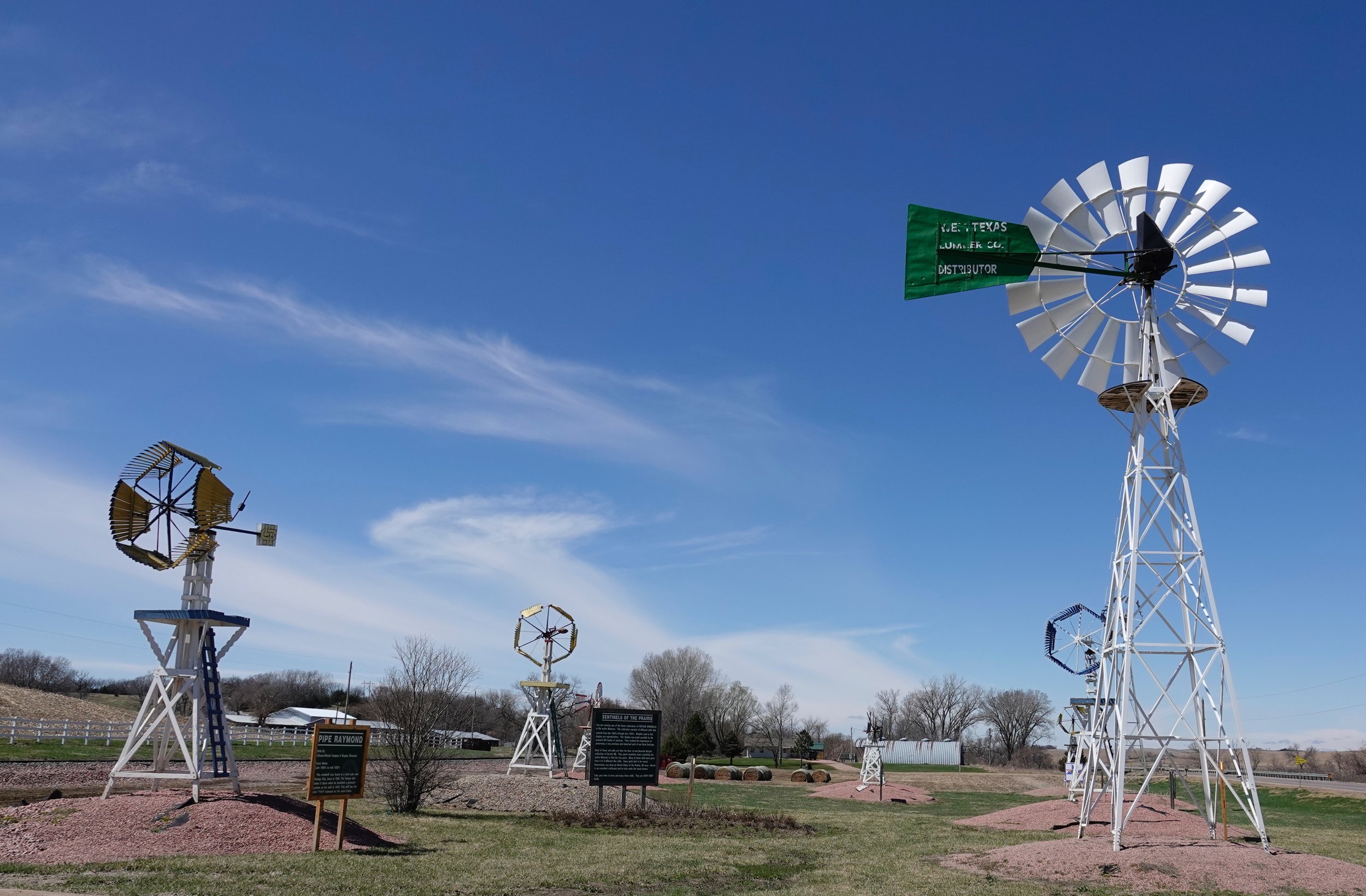
Prairie icons in Jackson, Nebraska.

FullSizeRender.jpg
FullSizeRender.jpg
FullSizeRender.jpg
FullSizeRender.jpg

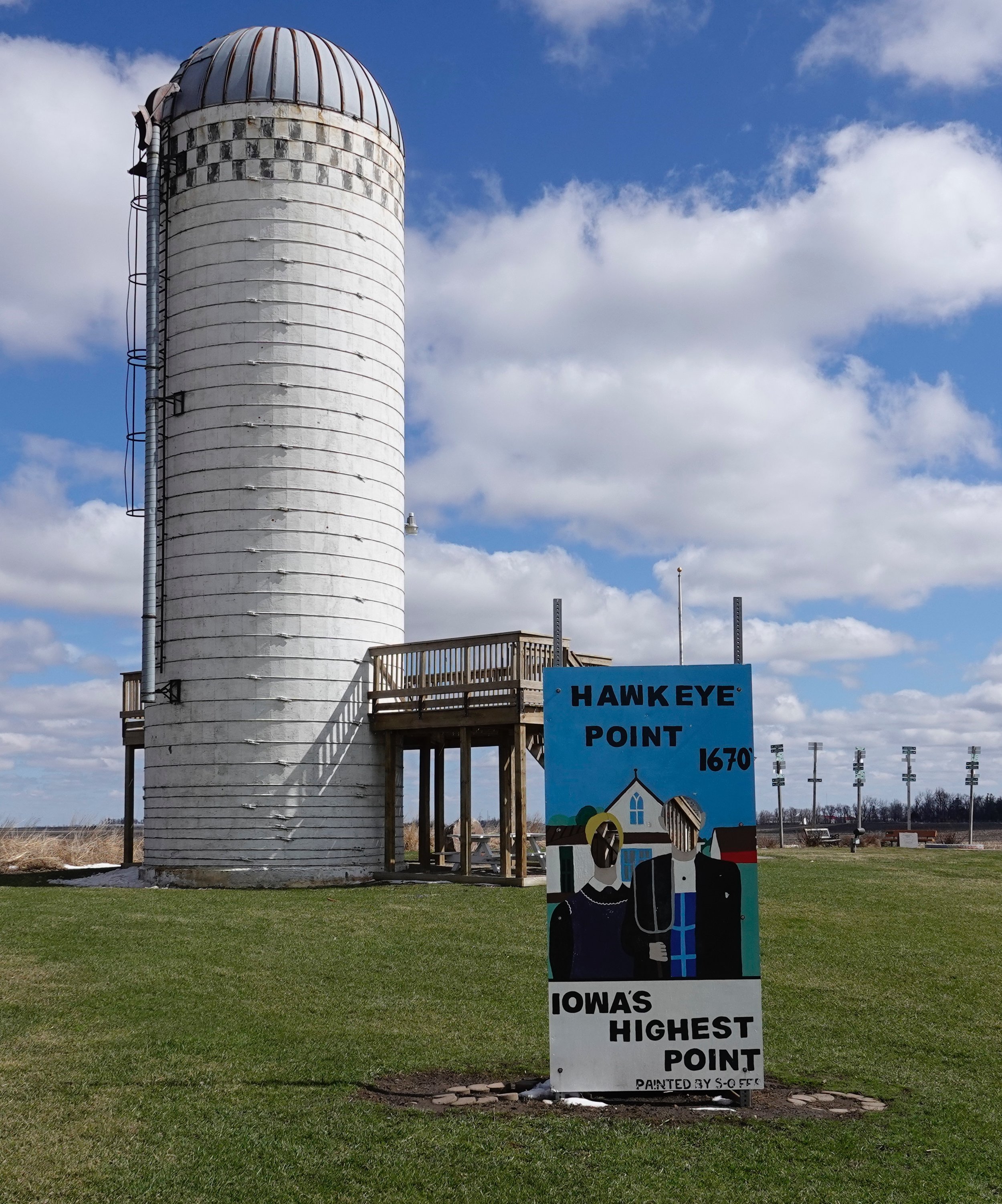
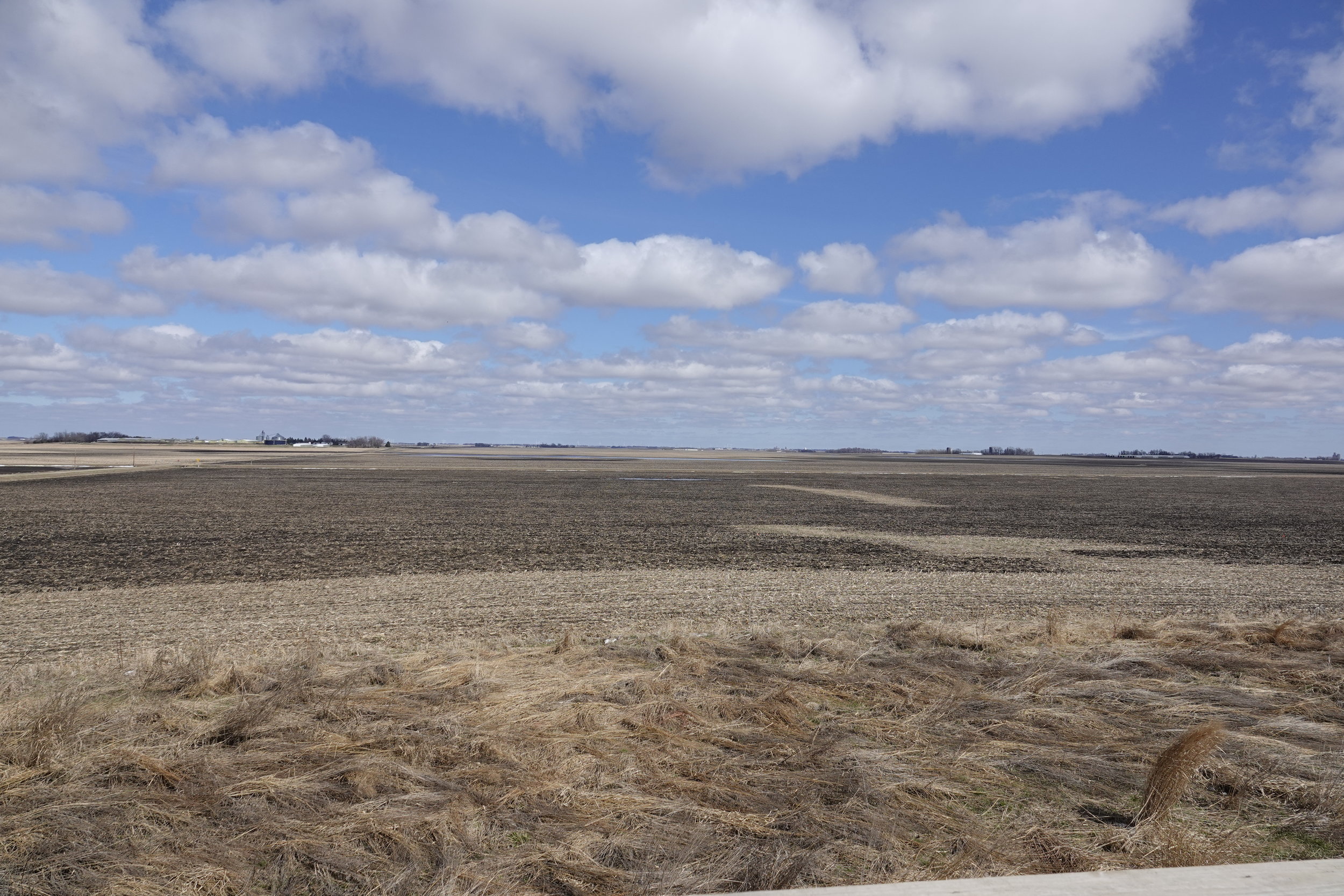
The view from Hawkeye Point near Sibley, Iowa, looks much like Iowa.

_DSC6372.JPG

The view from the tallest point of land in Iowa.

The western meadowlark’s whistles and warbles must dodge grass in order to be heard.

The western meadowlark’s whistles and warbles must dodge grass in order to be heard.

A postcard of pintails.

A postcard of pintails.

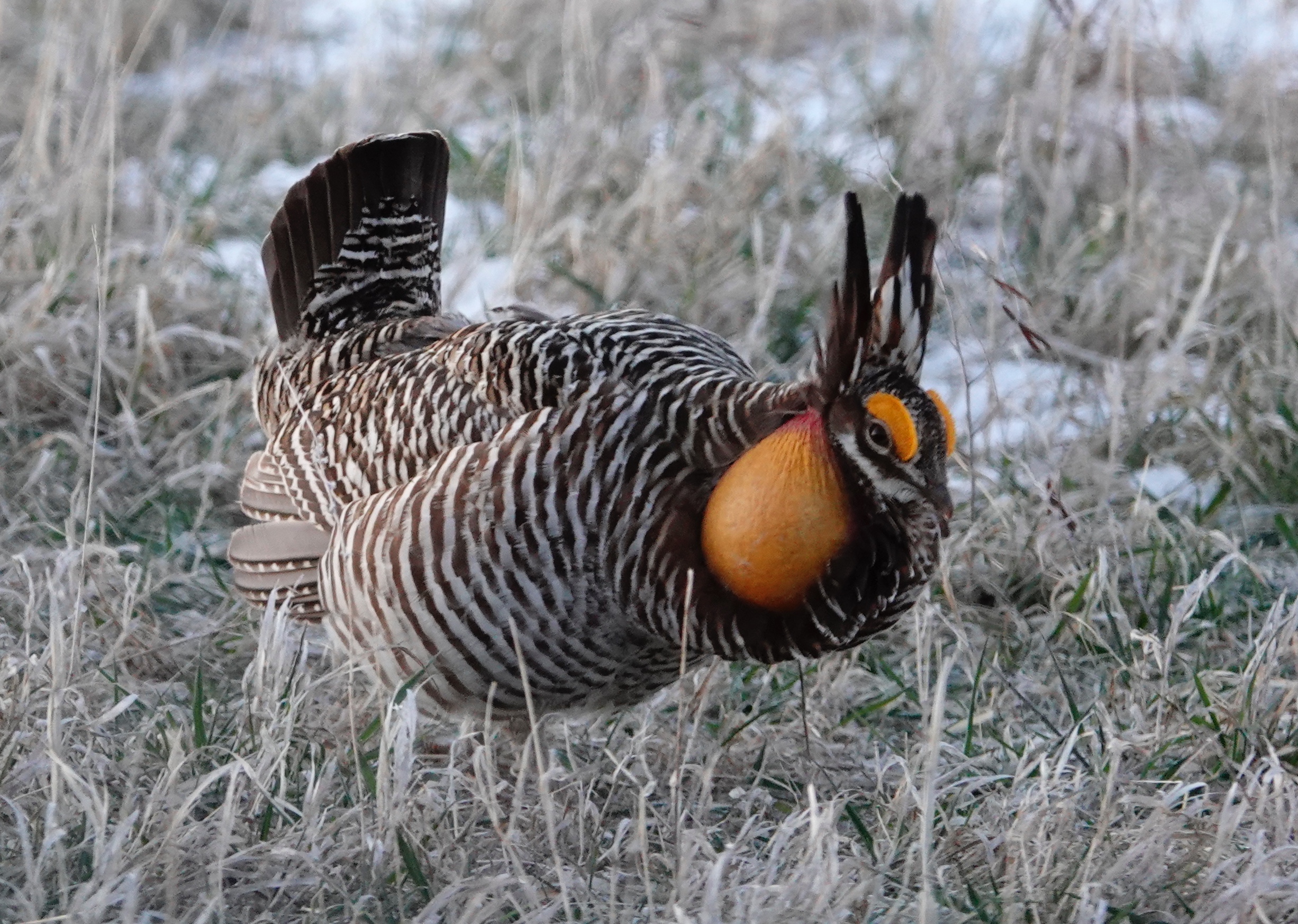
A greater prairie chicken dances on a snowy lek on Switzer Ranch near Burwell, Nebraska.

A greater prairie chicken dances on a snowy lek on Switzer Ranch near Burwell, Nebraska.

A union of opposites — American goldfinch and house finch.

A union of opposites — American goldfinch and house finch.

A union of opposites — American goldfinch and house finch.

This rusty blackbird had avoided becoming an icy blackbird.

This rusty blackbird had avoided becoming an icy blackbird.

 “Bye Bye Blackbird” becomes a sad song as the population of the rusty blackbird declines.

 “Bye Bye Blackbird” becomes a sad song as the population of the rusty blackbird declines.

A red-winged blackbird finds a bit of green on a day that would never be mistaken for St. Patrick’s Day.

A red-winged blackbird finds a bit of green on a day that would never be mistaken for St. Patrick’s Day.

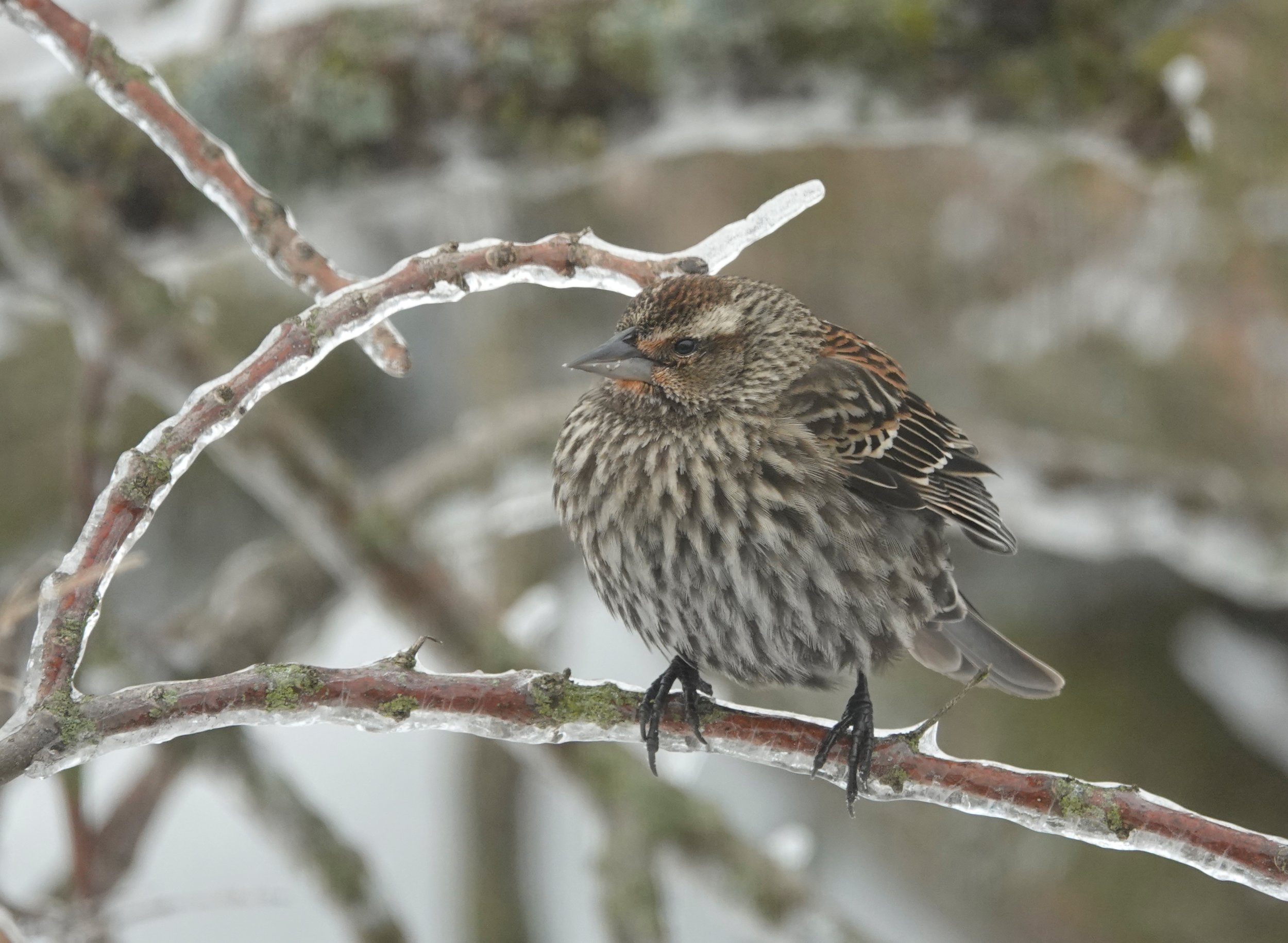
This female red-winged blackbird has never watched The Weather Channel. It is a weather channel.

This female red-winged blackbird has never watched The Weather Channel. It is a weather channel.

Al Batt: ’Tis the season — red-winged blackbirds are the sounds of spring

byAl Batt,albertleatribune.com

April 13, 2019 

Al Batt of Hartland is a member of the Albert Lea Audubon Society. Email him at SnoEowl@aol.com.

My neighbor Crandall stops by.

“How are you doing?” I ask.

“Everything is nearly copacetic. I have a grandson who makes up things rather than admit he doesn’t know.”

“Have you talked to him about that?” I say.

“I told him, ’You have become a man, my son.’”

Naturally

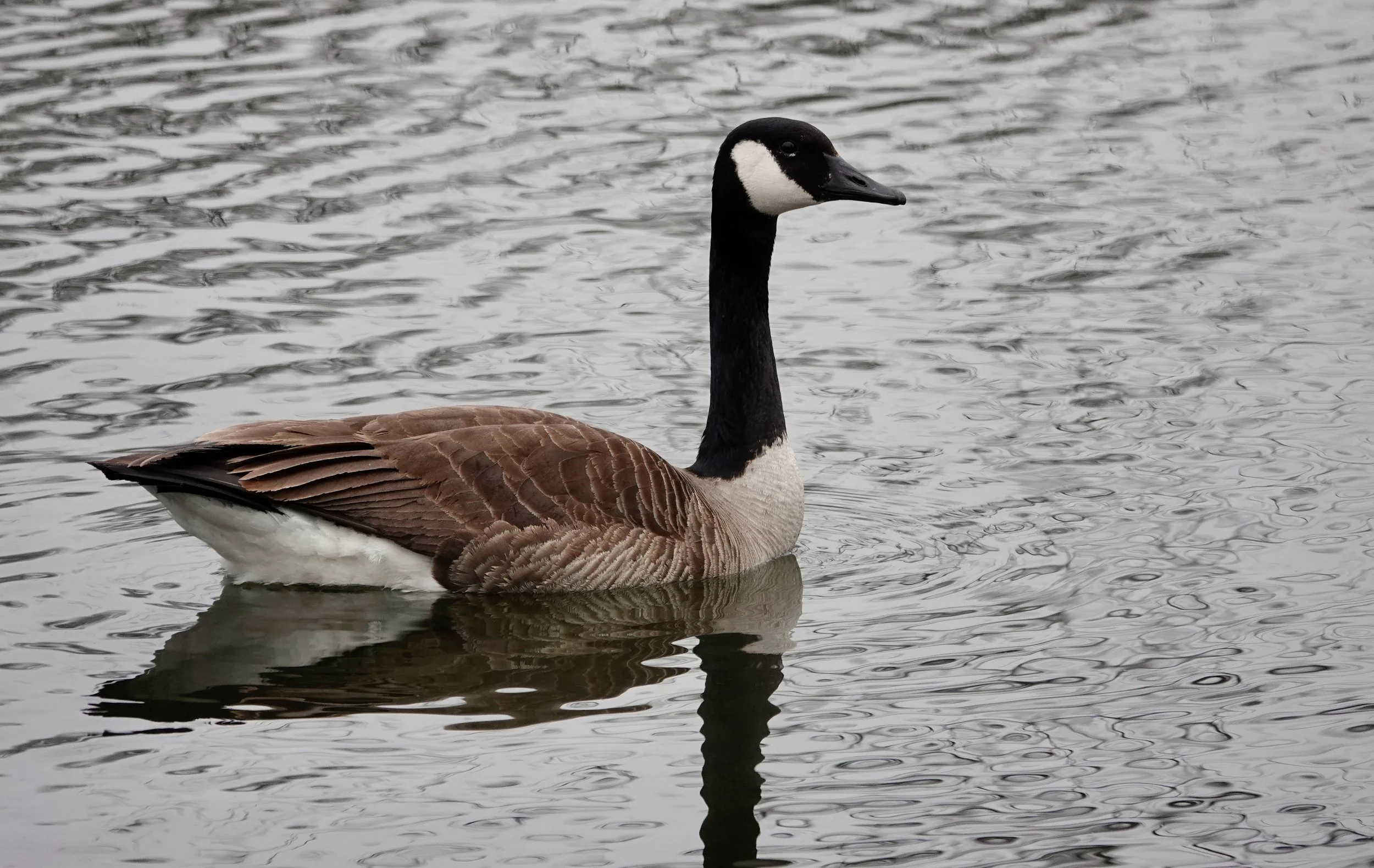
I’ve come into my season. Red-winged blackbirds are the sounds of spring. Rooster pheasants crowed. Canada geese claimed nest sites. That’s a noisy job. Turkey vultures tilted through the sky. The poet Mary Oliver wrote, “Like large dark lazy butterflies they sweep over the glades looking for death, to eat it, to make it vanish, to make of it the miracle: resurrection.”

Tundra swan flocks, eastern bluebirds and brown-headed cowbirds suddenly appeared whenever a birder was near. Cowbirds are brood parasites. They don’t build nests. Instead, they lay their eggs in the nests of other birds. The host birds incubate cowbird eggs and raise the chicks, often to the detriment of their own offspring. Sandhill cranes rattled, trumpeted and bugled as they took flight. Opportunistic omnivores, their varied diet includes  waste corn, small mammals, amphibians, insects, reptiles and snails. Northern harriers return when the snow leaves the fields. Once called a marsh hawk, it courses low over the ground while hunting small mammals, reptiles, amphibians, birds and insects. They locate some prey by sound.

Pocket gopher mounds declare the frost is out of the ground. I browsed the seed selection in a store. I used to plant marigolds around the borders of vegetable gardens to discourage rabbits. I stopped when the eastern cottontails began eating marigolds.

The bluebird guy

The Rice Soil and Water Conservation District selected Keith Radel of Faribault to receive the 2018 Wildlife Enhancement Award for Rice County. Keith volunteers with the Bluebird Recovery Program, checking and maintaining a bluebird trail consisting of 175 nest sites throughout the bluebird mating season, from April through August. Keith has fledged 13,148 bluebirds from those nest boxes over 30 years. He began with 25 boxes on a 5-acre patch of land.

“If a bluebird had flown in, it would have hit a box,” recalled Keith.

That year, those boxes had no nests, no eggs and no baby bluebirds. Keith added six boxes the nest year. He fledged eight bluebirds. Keith realized that the 5 acres should have had only two sites. If paired, that meant four boxes. He culled the herd of nest boxes to four and 81 birds were fledged. Keith learned that a young bluebird could fly up to 300 feet on its maiden flight. He gives a box two years to fledge birds. If it doesn’t, he moves it to another location. Keith mentioned Roger Strand, a most successful wood duck landlord, who mounts wood duck boxes on baffled poles in water. The baffles keep predators away. Roger keeps the boxes 16 feet away from trees to prevent squirrels from leaping onto the boxes.

Q&A

“Do owls eat fish?” Mike Kennedy of Winona told me that he’d had a barred owl pestering his bobber while Mike was fishing. Barred owls do catch and eat fish. The great horned owl and other owls will sometimes go fishing.

“The seed in my bird feeders disappears so quickly. What’s going on?” My guess is that the birds are eating it.

“How many baby robins live a year?” About one in four survive 12 months.

“Where is the best place to put a bird feeder?” I have the best luck by putting a feeder outside. In the TV series “Mad Men,” a character said, “Nothing concentrates the mind like the prospect of being hanged at dawn.” This was a variation on a Samuel Johnson quote, “Depend upon it, sir, when a man knows he is to be hanged in a fortnight, it concentrates his mind wonderfully.” When putting up a feeder, concentrate your mind just enough to hang it in the best spot, which is some place where you’ll see it regularly without much effort.

Thanks for stopping by

“All winter long, behind every thunder, guess what we heard! Behind every thunder the song of a bird a trumpeting bird. All winter long, beneath every snowing, guess what we saw! Beneath every snowing a thaw and a growing, a greening and growing.” — a Native American song from the book “Earth Prayers”

“Years ago I had a Buddhist teacher in Thailand who would remind all his students that there was always something to be thankful for. He’d say, ’Let’s rise and be thankful, for if we didn’t learn a lot today, at least we may have learned a little. And if we didn’t learn even a little, at least we didn’t get sick. And if we did get sick, at least we didn’t die. So let us all be thankful.’” — Leo Buscaglia in his book, “Born for Love: Reflections on Loving”

Do good.

FullSizeRender.jpg

  The male cowbird is all feathers and no cattle. - Al Batt/Albert Lea Tribune

FullSizeRender.jpg

This stubborn structure near Belden, Nebraska, was once someone’s dream house.

I hadn’t considered moving to Nebraska, but they might have named a town after me. That’s applying pressure to relocate.

I hadn’t considered moving to Nebraska, but they might have named a town after me. That’s applying pressure to relocate.

FullSizeRender.jpg

A horned lark homesteads bare ground.

Sparrows make brown an exciting color.

FullSizeRender.jpg
IMG_2195.GIF
Time has knocked the wind out of this barn.

Time has knocked the wind out of this barn.

Buffleheads, compact divers and cavity-nesting ducks, bounce upon the water.

Buffleheads, compact divers and cavity-nesting ducks, bounce upon the water.

Elders of the milkweed tribe.

Elders of the milkweed tribe.

Here I am taking a 1991 Wheaties box, featuring Kirby Puckett and Kent Hrbek on the front, for a ride. It’s nice to get out.

Here I am taking a 1991 Wheaties box, featuring Kirby Puckett and Kent Hrbek on the front, for a ride. It’s nice to get out.

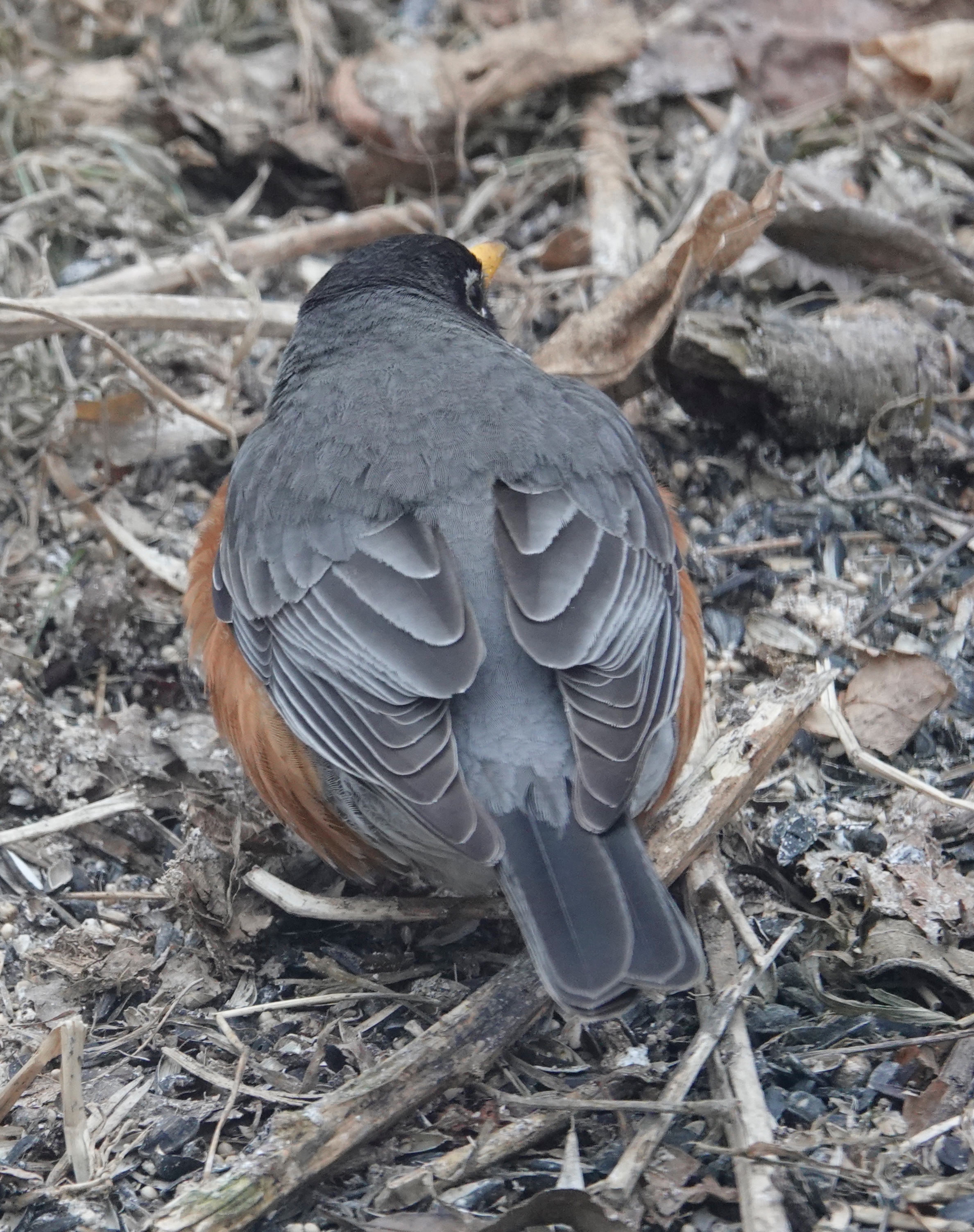
Tailgating an American robin.

FullSizeRender.jpg
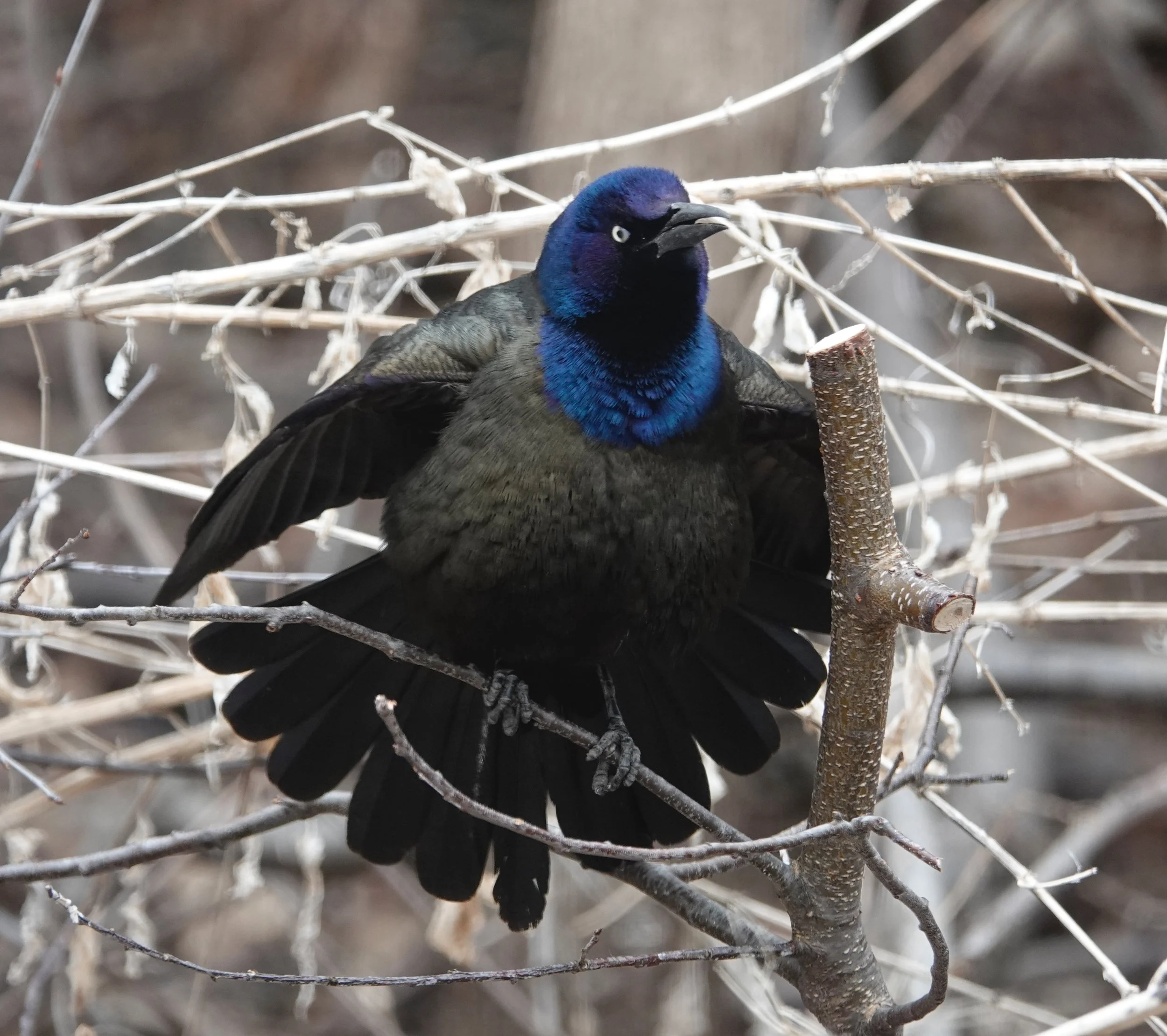
A grackle contemplates daylight saving time.

A grackle contemplates daylight saving time.

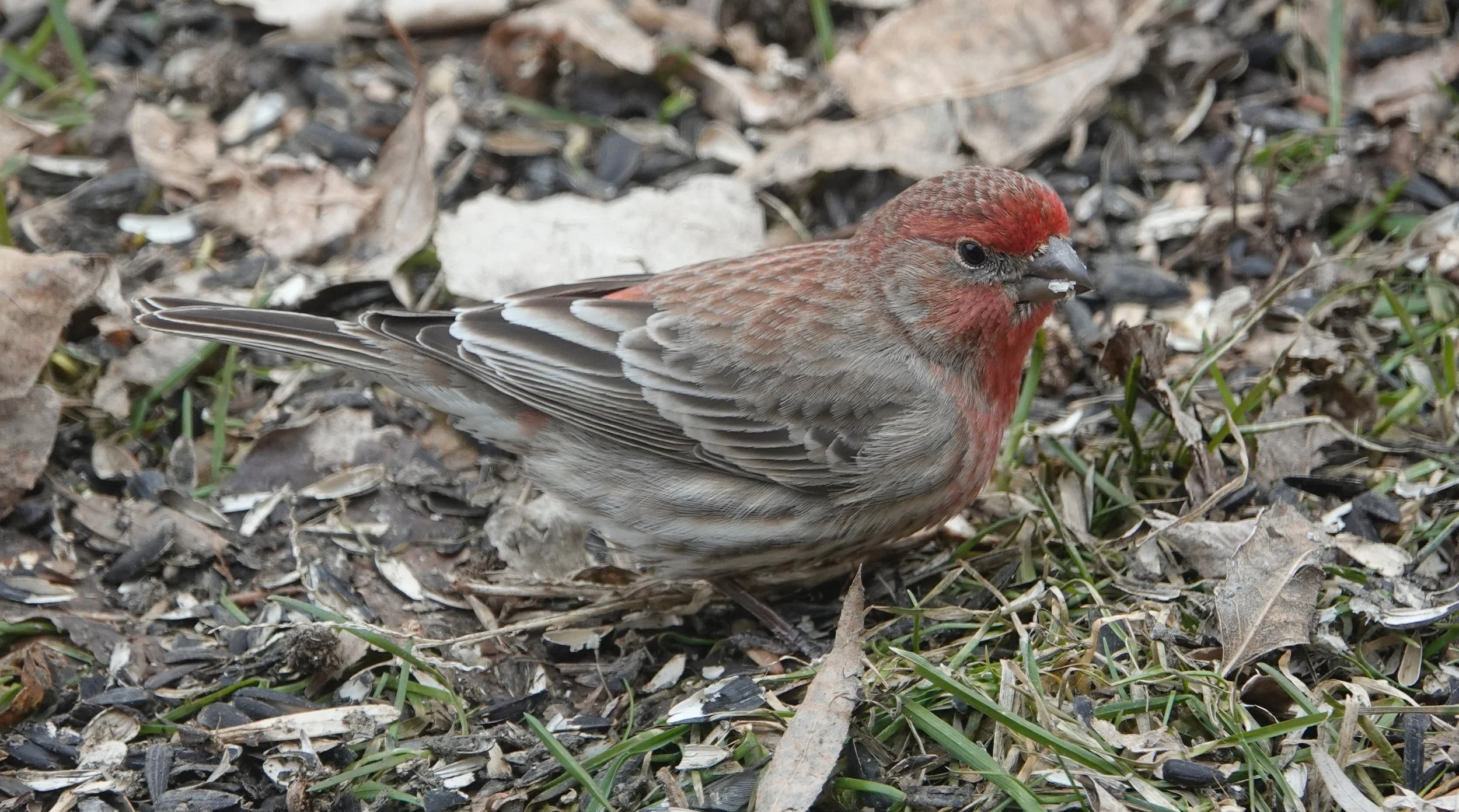
Hearing a house finch sing strengthens my gratitude.

Hearing a house finch sing strengthens my gratitude.

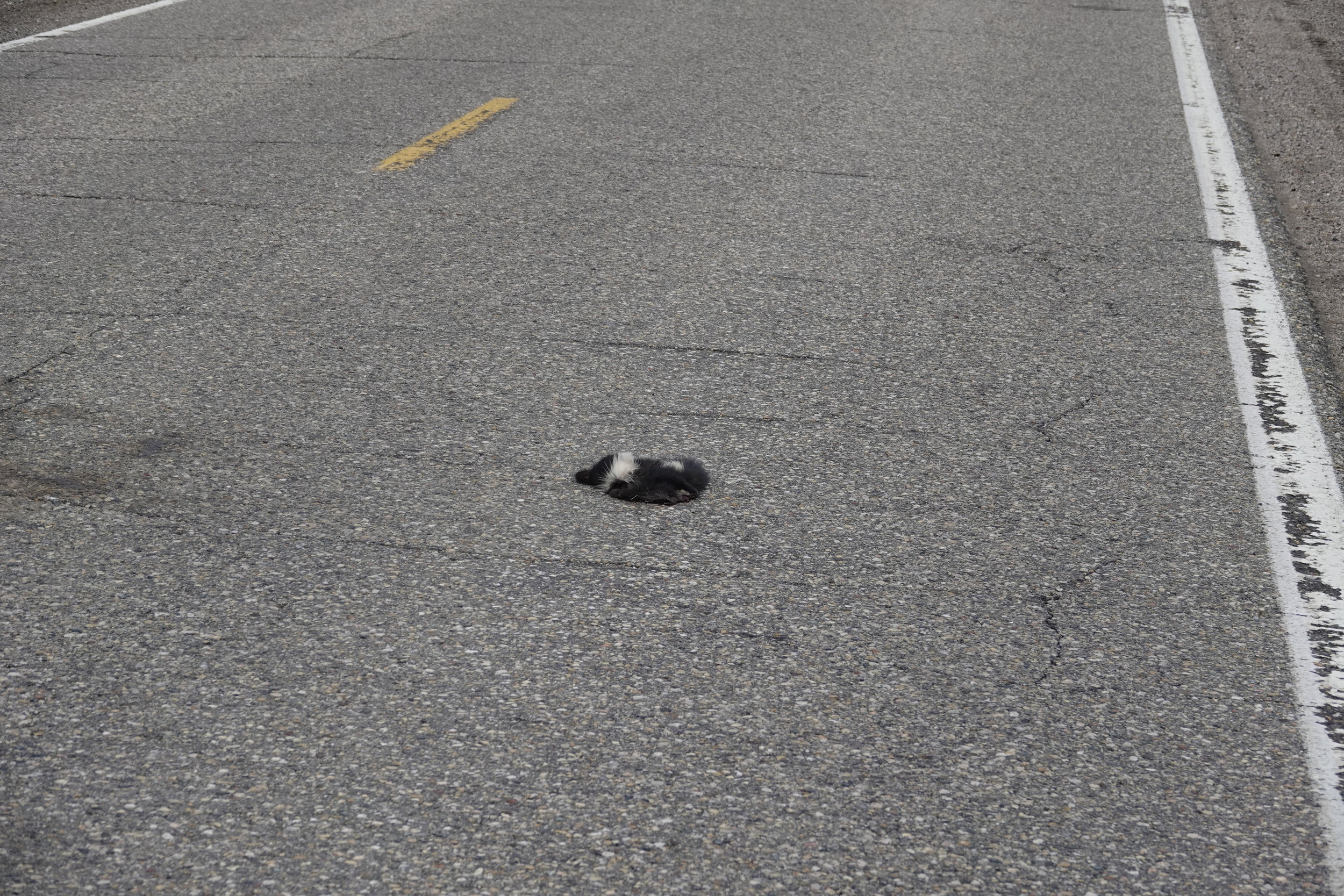
Would London Wainwright III sing, “Dead skunk near the middle of the road”?

Would London Wainwright III sing, “Dead skunk near the middle of the road”?

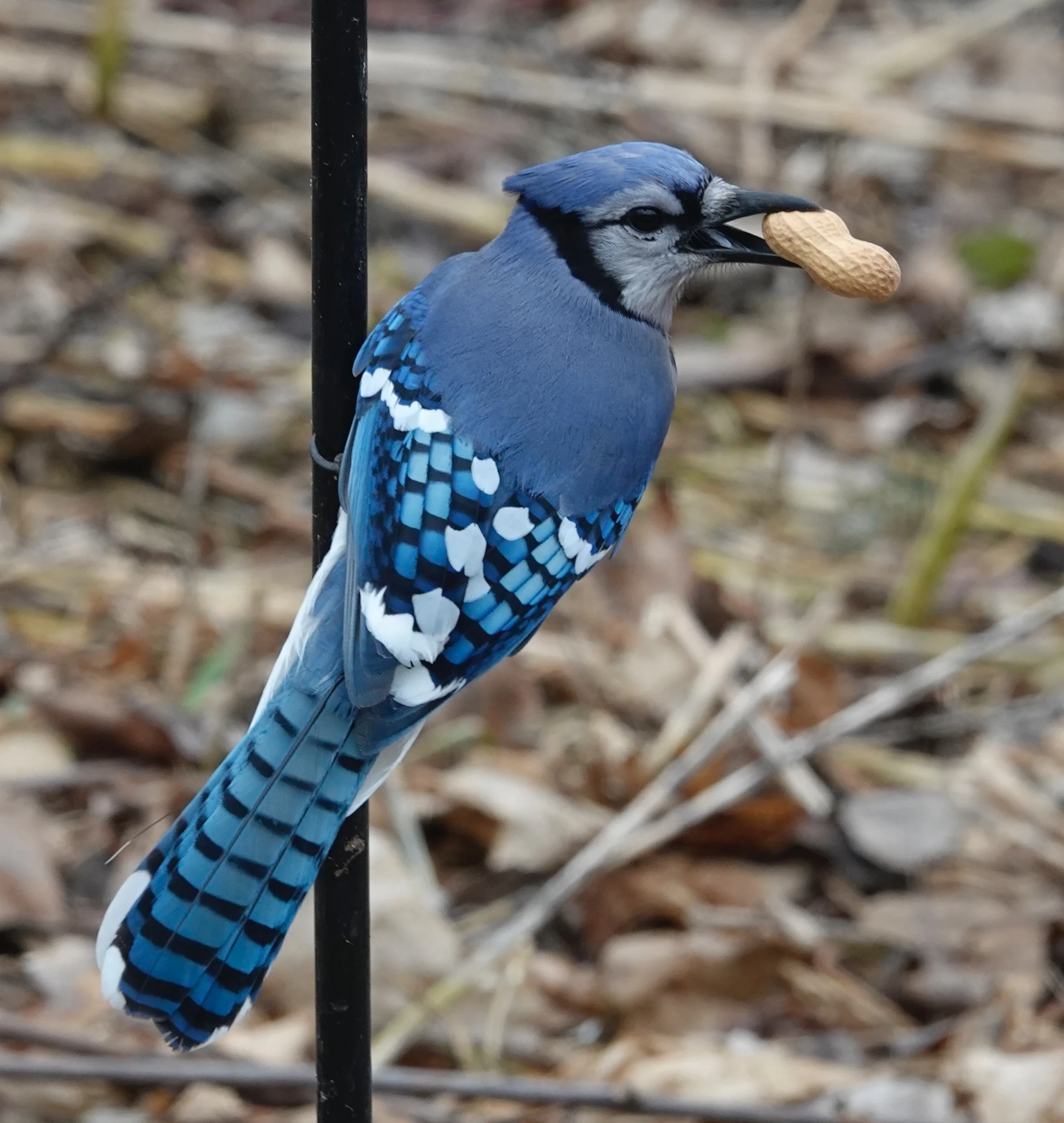
A blue jay believes that a peanut a day keeps the Cooper’s hawk away.

A blue jay believes that a peanut a day keeps the Cooper’s hawk away.

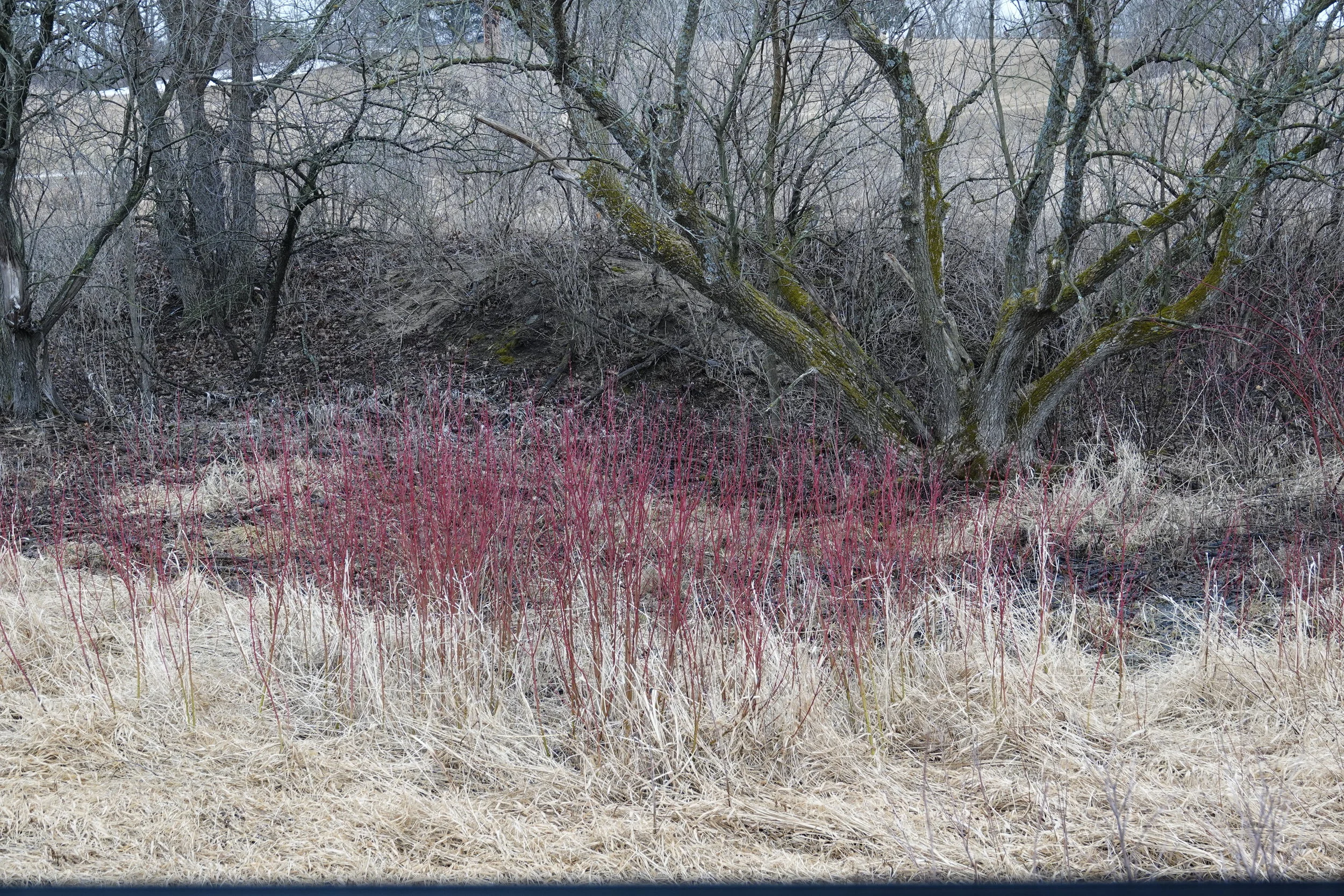
Red-osier dogwood provides the red veins of spring.

Red-osier dogwood provides the red veins of spring.

Birds seasoned the day like pepper flakes.


Birds seasoned the day like pepper flakes.

_DSC5374.JPG

The first gold shipment of the year has arrived. Goldfinches are changing colors.

FullSizeRender.jpg
This cowbird is all feathers and no cattle.

This cowbird is all feathers and no cattle.

The cardinal is the state bird of seven states: Illinois, Indiana, Kentucky, North Carolina, Ohio, Virginia and West Virginia. Even so, this female seems very nice.

The cardinal is the state bird of seven states: Illinois, Indiana, Kentucky, North Carolina, Ohio, Virginia and West Virginia. Even so, this female seems very nice.

The head of the billing department at the Grackle Company.

The head of the billing department at the Grackle Company.

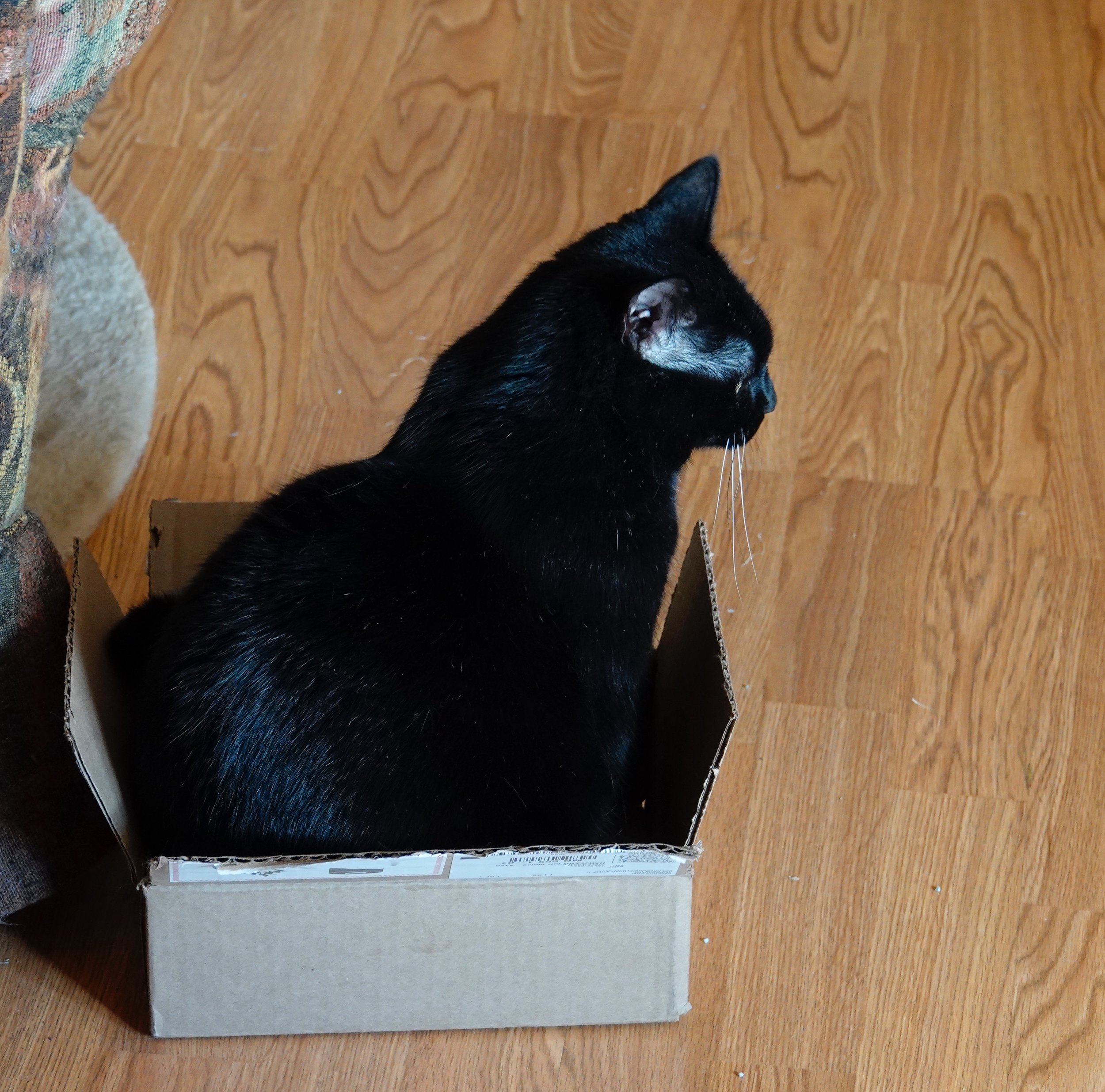
Purl, the cat who never leaves our house, is thinking of moving up a size in her cardboard box wear.

Purl, the cat who never leaves our house, is thinking of moving up a size in her cardboard box wear.

Al Batt: Farmers’ Almanac says the area’s spring will be chilly and rainy


By Al Batt

Email the author

Published 9:00 am Saturday, March 30, 2019

Al Batt of Hartland is a member of the Albert Lea Audubon Society. Email him at SnoEowl@aol.com.

The guy from just down the road

My neighbor Crandall stops by.

“How are you doing?” I ask.

“Everything is nearly copacetic. There’s some old guy living in my mirror and I need a suit of armor for the big toe of my right foot that I’m always stubbing, but Peeps are in season, so life is good. One of my cousins retired. I didn’t even know he’d ever had a job. Every family has one of those guys. I need to go shopping. I’m so hungry it’s clouding my mind or it might be flashbacks from all those Pop Rocks I’ve eaten. I need breakfast cereal and milk. This morning, I had Cap’n Crunch dust in orange juice. Everyone else set their clocks ahead an hour. Not me. I need more sleep. I set mine back an hour. I just have to remember to be two hours early for everything. It’s a grand life if you can outsmart it.”

Naturally

Hal Borland wrote, “No winter lasts forever, no spring skips its turn.”

The Farmers’ Almanac says our spring will be chilly and showery. It’s nice to see temperatures without a minus sign in front of them.

The smell of spring was in the air, compliments of a skunk.

Spring was in the air in the flight of migrating birds. On my walk, I encountered robins that had migrated back to Minnesota. I could tell because they were skittish and vociferous. The robins that wintered here are hushed and reserved in comparison. The wintering robins are too beaten up to be thrilled about anything. The killdeer were stirred, calling out their name excitedly. There were grackles galore. I once played the part of the mayor of a make-believe city named Grackle Junction, leaving me with a soft spot for the birds. Greg Bartsch of Geneva told me of the many eagles on Geneva Lake. Only food could cause that many bald eagles to congregate like that. They enjoy a fish buffet.

I saw tiny, black flecks sprinkled in the melting snow around the base of a tree. They were springtails called snow fleas.

Chipmunks chipped. Chipmunks hibernate, but don’t enter deep hibernations like ground squirrels. Chipmunks rely on food they’ve cached in their burrows. It’s good to see the little animals in the spring, but some individuals become active on warm, sunny, winter days.

Wild turkeys gobbled. A red-tailed hawk carried nesting material. This raptor’s nest is a tall pile of sticks. As I watched the hawk, I thought of Aeschylus, an Ancient Greek playwright, who has been described as the father of tragedy. He died in Sicily, in the city of Gela, in 456 or 455 BC without having given a thought to Tesla or Twitter. Valerius Maximus wrote that Aeschylus was killed by a tortoise dropped by an eagle or a lammergeier or bearded vulture (which do feed on tortoises after dropping them on hard objects). It was written that the bird had mistaken the bald head of Aeschylus for a rock suitable for shattering the tortoise’s shell. Pliny, a Roman scholar and naturalist, wrote that Aeschylus had received a prophecy that he’d be killed by a falling object, so things worked out. This story may be mythical.

I’m happy spring is taking its turn.

Q&A

“What bird builds the biggest nest in Minnesota?” The bald eagle constructs the largest nest of any North American bird. It gathers sticks, grass and cornstalks, often reusing nests and adding to it each year. A nest can weigh a ton and be over 9 feet across. The “Guinness Book of World Records” lists a Florida bald eagle nest as being the largest at 9.5 feet across, 20 feet deep and weighing 4,409 pounds.
“What is the mast of a tree?” Mast typically refers to the nut crop of a tree, but it also includes seeds and fruit of trees and shrubs. Hard mast is nuts and seeds. Soft mast is fruits and berries. The definition of mast can be expanded to buds and catkins. Mast is an important provider of food for wildlife.

Customer comments

Glen Shirley of Farmington sent this (edited): The Bluebird Recovery Program invites you to our 40th annual Expo at Cannon Falls High School on April 6. Presentations include: How to increase bluebird fledging, Lyme disease and Bluebird monitoring made simple. In addition, all-time favorites Jim Gilbert, “WCCO Nature Notes,” and Al Batt, southern Minnesota naturalist/storyteller, return. More information at www.bbrp.org.

Thanks for stopping by

“Everything has its wonders, even darkness and silence, and I learn, whatever state I may be in, therein to be content.” — Helen Keller

“There are two kinds of people, those who do the work and those who take the credit. Try to be in the first group; there is less competition there.” — Indira Gandhi

Do good.

The two-toned bill of the American tree sparrow sings of their plans to fly northward. Al Batt/Albert Lea Tribune
Our yard has a number of bird feeders with furry tails.

Our yard has a number of bird feeders with furry tails.

This squirrel did a spit take with sunflower seeds.

This squirrel did a spit take with sunflower seeds.

FullSizeRender.jpg

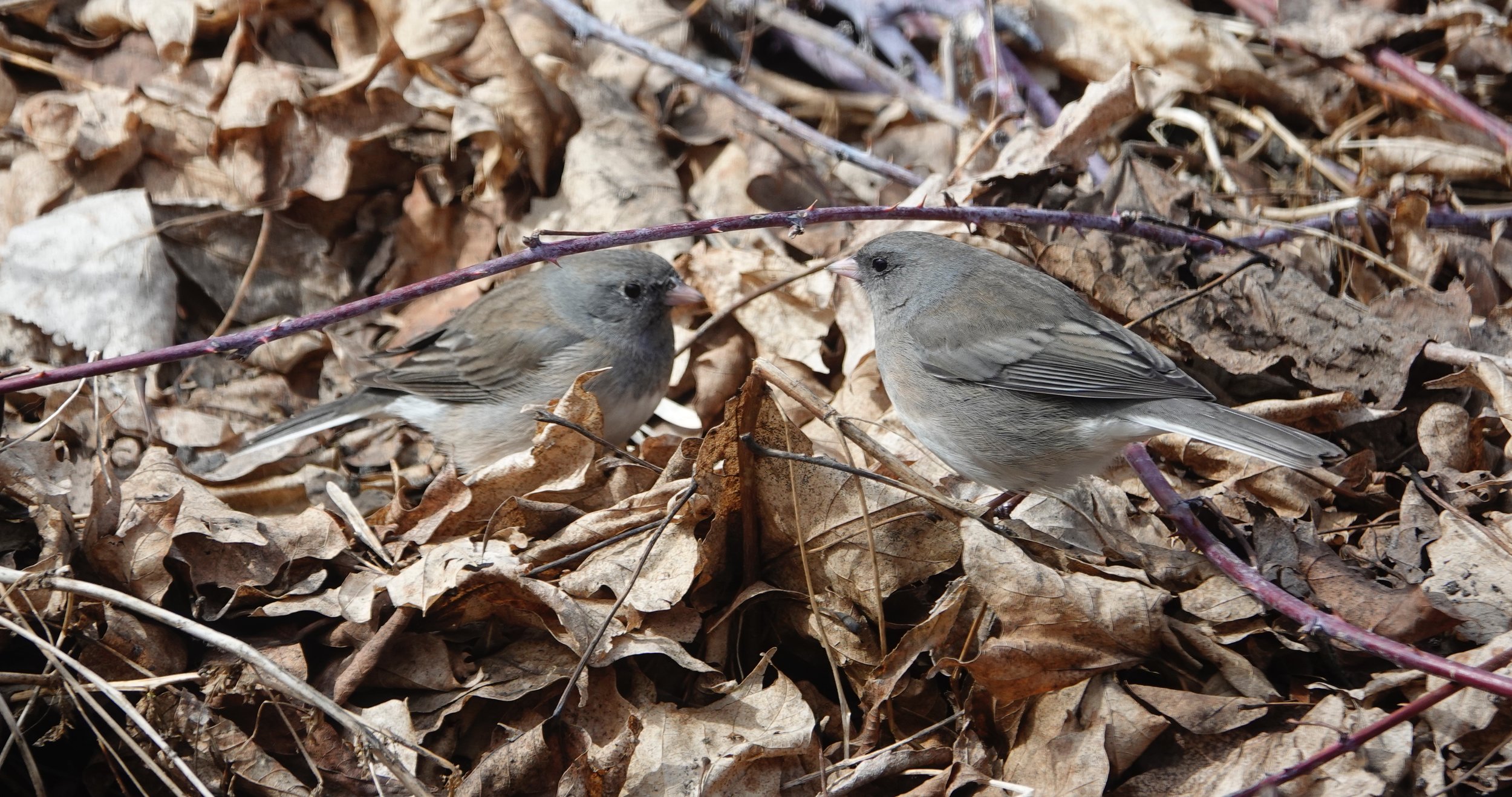
Dark-eyed juncos engaging in a staring contest.

FullSizeRender.jpg
FullSizeRender.jpg

A starling’s yellow bill points to spring.

Robert Louis Stevenson wrote,  “A birdie with a yellow bill

Hopped upon my window sill,

Cocked his shining eye and said:

"Ain't you 'shamed, you sleepy-head!"

FullSizeRender.jpg

The fox sparrow is a lovely bird that hops forward and then hops back in a double-scratching process of searching for food in leaf litter.

Did we get enough snow this past winter? This was my birthday present, so I think we did.

Did we get enough snow this past winter? This was my birthday present, so I think we did.